
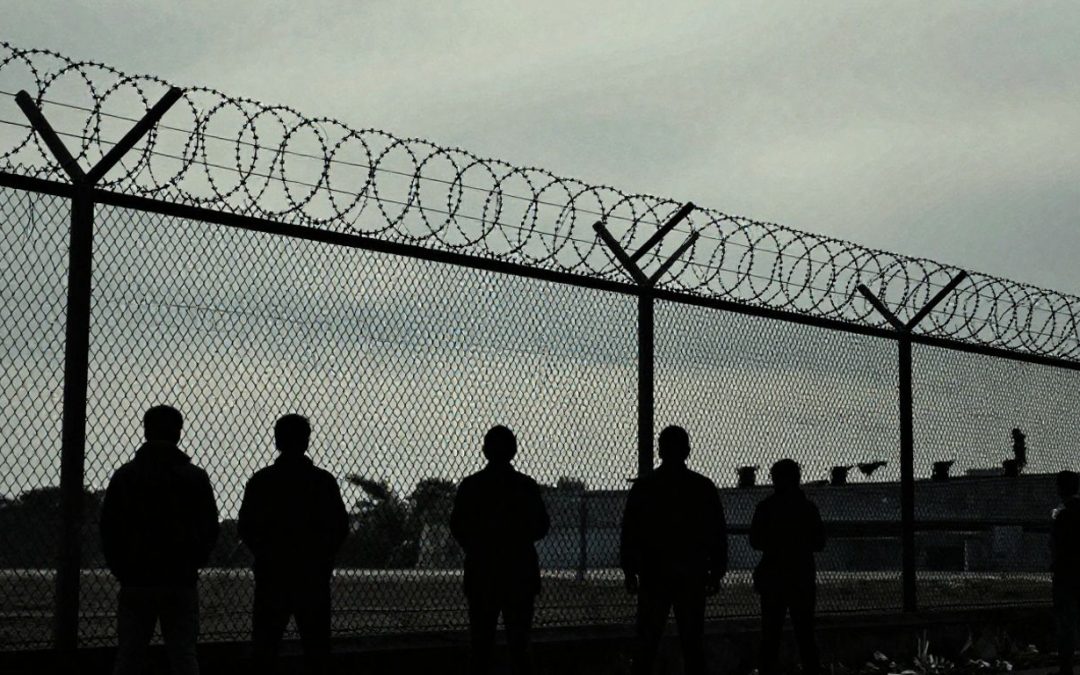
Lately, there’s been a lot more talk about immigrants being held in detention centers, sometimes for a long time. It seems like new laws and court decisions are making it easier for immigration officials to keep people locked up. This whole situation with ‘detencion obligatoria,’ or mandatory detention, is getting complicated. It means that in certain cases, people can’t just be let out while their immigration cases are sorted out, and they might not even get a chance to ask a judge for a bond. It’s a big deal for a lot of people, and understanding how it works is pretty important.
Key Takeaways
- Mandatory detention, or ‘detencion obligatoria,’ is when immigration law requires certain individuals to be held in custody without the possibility of release on bond.
- There are specific laws, like sections 1225 and 1226 of the Immigration and Nationality Act, that lay out the grounds for detention, and knowing the difference between them can affect whether someone can get a bond hearing.
- Recent policy changes and court rulings have led to more people being subject to mandatory detention, making it harder for them to get out while their cases are pending.
- Challenging detencion obligatoria often involves legal strategies, including using habeas corpus petitions, to argue that the detention is not legally justified.
- The conditions and oversight of detention facilities vary, and there are ongoing concerns about whether existing standards are consistently met, impacting the well-being of those detained.
Understanding Mandatory Detention

Mandatory detention in the U.S. immigration system is a complex topic, and it’s gotten a lot more attention lately. Basically, it means that certain noncitizens, once apprehended, are required by law to be detained and cannot be released, even if they have a court date or are seeking asylum. This policy significantly limits the discretion immigration officials and judges have in deciding whether to detain someone. It’s not a new concept, but recent policy changes and legal interpretations have led to a noticeable increase in the number of people being held under these rules.
Statutory Grounds for Detención Obligatoria
There are a few main laws that form the basis for mandatory detention. Understanding these is key to figuring out who might be subject to it. The Immigration and Nationality Act (INA) lays out these grounds. It’s important to know that these aren’t just suggestions; they are legal requirements that immigration authorities must follow.
- Section 1225: This section often comes into play when someone is trying to enter the U.S. at a port of entry or is caught crossing the border without authorization. People processed under this section are often considered applicants for admission and may be subject to mandatory detention without the possibility of a bond hearing.
- Section 1226(c): This part of the law applies to individuals who have committed certain criminal offenses or have violated specific immigration rules. If someone falls under this category, they are generally required to be detained, and release is very restricted.
- Section 1226A: This section deals with individuals deemed a national security concern or who have been involved in terrorism-related activities. Detention under this section is also mandatory and has different procedures.
The application of these statutes can sometimes be a point of contention, with legal challenges often focusing on whether an individual truly falls under the mandatory detention provisions or if their situation allows for discretionary release.
Recent Policy Shifts and Legal Interpretations
Over the past year or so, we’ve seen a shift in how mandatory detention is being applied. Immigration and Customs Enforcement (ICE) has been interpreting and implementing these laws in ways that have led to more people being detained. This includes new directives and a closer look at past legal decisions. The Board of Immigration Appeals (BIA) has also issued rulings that have expanded the reach of mandatory detention in certain cases. These changes mean that even individuals who might have previously been eligible for release or a bond hearing could now be subject to prolonged detention.
The Role of the Laken Riley Act
The Laken Riley Act, signed into law in 2025, has also had an impact. While its primary focus was on other aspects of immigration enforcement, it has been cited in discussions and actions related to detention. Its passage has been seen by some as reinforcing a stricter approach to immigration enforcement, which can indirectly influence detention practices. Advocates are closely watching how this act continues to be interpreted and applied in the context of mandatory detention.
Distinguishing Detention Statutes
When someone enters the U.S. and is later released, figuring out which law applies to their detention can get complicated. It often comes down to whether they are being held under Section 1225 or Section 1226 of the Immigration and Nationality Act (INA). This distinction matters a lot because it can affect whether someone has a right to ask for a bond hearing.
Section 1225: Border Inspections and Detención Obligatoria
Section 1225 generally covers people who are being inspected when they first arrive at a U.S. border. If you’re considered an applicant for admission, you might be subject to mandatory detention under this section. This means you could be detained without the possibility of a bond hearing. It’s a pretty strict part of the law, designed for those at the point of entry.
Section 1226: Detention Within the U.S.
Section 1226, on the other hand, deals with individuals who are already physically present inside the United States and have pending immigration cases. Unlike Section 1225, this section usually allows for individualized bond hearings before an immigration judge. Detention under Section 1226 is generally more discretionary, meaning a judge has more say in whether someone should be detained or released on bond while their case proceeds. This is a key difference for many people in the immigration system.
Navigating the Blurred Lines Between Statutes
Sometimes, the lines between these two sections get fuzzy. For instance, what happens if someone enters at the border, gets processed, and then is allowed to stay in the U.S. while their case is ongoing? Do they stay under the rules of Section 1225, or does Section 1226 start to apply once they’ve established themselves inside the country? Courts have been looking at this a lot, and it’s a common point of legal argument. Habeas corpus petitions are often used to challenge detention authority when there’s confusion about which statute is being applied. It’s a way to ask a court to review if the government has the legal right to keep someone locked up.
The application of different statutes can significantly alter an individual’s rights and the process they undergo. Understanding which section applies is the first step in assessing detention circumstances.
Here’s a quick look at the main differences:
- Section 1225: Primarily for individuals at the border during inspection. Often leads to mandatory detention without bond. Individuals detained under INA § 235(b) do not have a statutory or regulatory right to a bond hearing.
- Section 1226: For individuals already in the U.S. with pending cases. Generally allows for bond hearings and discretionary detention.
- Blurred Lines: The transition from border processing to interior presence can create legal questions about which statute governs detention.
It’s a complex area, and the specific facts of each case really matter. The second Trump administration altered mandatory detention policies, adding another layer to how these statutes are interpreted and applied.
Challenging Detención Obligatoria
So, you or someone you know is facing mandatory detention. It can feel like hitting a brick wall, right? The government says you have to stay locked up, no ifs, ands, or buts. But here’s the thing: it’s not always the end of the road. There are ways to fight back and try to get released. It’s all about understanding the rules and knowing your options.
Strategies for Securing Release
When someone is in mandatory detention, the goal is always to get them out. This often involves arguing that the government’s basis for detention isn’t quite right, or that there are specific circumstances that should allow for release. Sometimes, it’s about showing that the person isn’t actually subject to mandatory detention in the first place. Other times, it’s about presenting a strong case for why they should be released on bond, even if the law seems to say otherwise. It’s a complex dance, and having someone who knows the immigration law inside and out makes a huge difference.
- Argue against the "mandatory" aspect: Challenge whether the specific facts of the case actually trigger mandatory detention under the law. This might involve looking closely at the person’s immigration history or the nature of their alleged offense.
- Seek bond: Even if detention is technically mandatory, sometimes there are arguments to be made for a bond hearing, especially if the detention itself is prolonged or if there are humanitarian concerns.
- Explore alternative release options: This could include things like parole or stays of removal, depending on the individual’s situation and the specific policies in place.
The Importance of Habeas Corpus Petitions
Think of a habeas corpus petition as a safety net. It’s a legal action that asks a court to review whether someone is being held lawfully. In the context of immigration detention, it’s a way to challenge the government’s authority to keep someone locked up, especially when other avenues for release seem blocked. It’s not about deciding the immigration case itself, but purely about the legality of the detention. This is a really important tool, especially when you consider that some court rulings have made it harder for people to get bond hearings. A divided 11th Circuit Court of Appeals panel, for instance, has ruled that ICE’s mandatory detention policy sometimes clashes with long-standing immigration laws designed to ensure the detention of certain individuals [01bf].
Habeas corpus is a fundamental legal protection. It ensures that the government can’t just hold someone indefinitely without a solid legal reason. For individuals in immigration detention, it’s a critical way to have their detention reviewed by a judge, making sure the government is following the law.
Litigation and Advocacy Efforts
Beyond individual cases, there’s a lot of work happening to challenge the broader system of mandatory detention. Lawyers and advocacy groups are filing lawsuits, pushing for policy changes, and trying to get courts to interpret the laws in ways that protect individual liberty. They’re looking at how different laws, like Section 1225 and Section 1226, are applied and whether people are being held under the right one. Sometimes, the lines between these statutes get really blurry, and that’s where litigation comes in. It’s about making sure that detention is used appropriately and that people have a fair chance to argue for their release. This is especially important because, as we’ve seen, detention practices can vary a lot depending on where you are in the country, creating geographic disparities in bond eligibility [8a52].
Detention Facility Standards and Oversight
When people are held in immigration detention, they aren’t just put in any old building. There are specific rules, or standards, that these facilities are supposed to follow. It’s a bit of a complicated system because not all facilities are the same, and the rules can differ depending on who’s running the place and what kind of people they’re holding.
ICE Detention Standards: NDS and PBNDS
Immigration and Customs Enforcement (ICE) has a couple of main sets of standards for the facilities they use. The big ones are the National Detention Standards (NDS), with the latest version being from 2025, and the Performance-Based National Detention Standards (PBNDS), with the 2011 version being a common reference. These standards cover a lot of ground, aiming to make sure things are safe and humane. They lay out requirements for things like:
- Food service and quality
- Medical and mental health care access
- Personal hygiene facilities and supplies
- Safety and security protocols
- Recreation and programming
- Visitation and communication access
The goal is to provide "acceptable conditions of confinement" for everyone in their custody. However, it’s important to note that these standards aren’t always strictly followed, and enforcement can be a challenge. You can find more information on ICE’s detention and custody standards.
Family Residential Standards
When families, meaning parents and children, are detained together, there are separate rules called the Family Residential Standards (FRS), most recently updated in 2020. These are designed with family unity in mind, allowing parents and children to be together as much as possible. Like the other standards, they cover daily life in the facility, including education for children, recreational activities, and access to legal help. The idea is to minimize the stress of detention on families.
CBP Detention Standards: TEDS
U.S. Customs and Border Protection (CBP) also detains people, usually for shorter periods right at the border. They have their own set of standards, often referred to as the Temporary Enclosure Detention Standards (TEDS). These are generally for short-term holding and focus on basic needs like shelter, food, and water while individuals are processed.
Oversight and Inspection Processes
So, how do we know if these places are actually following the rules? There’s an oversight system in place. ICE’s Office of Professional Responsibility and Office of Detention and Oversight (ODO) conduct inspections. These can be announced ahead of time. Other parts of the Department of Homeland Security (DHS) also do inspections, sometimes unannounced. Reports from these inspections are supposed to be made public, but sometimes facilities can get warnings or find ways to temporarily fix issues before an inspection. It’s a system meant to keep facilities accountable, but critics point out that it doesn’t always work perfectly.
The reality of detention facility oversight involves a multi-layered approach, with various agencies and internal offices tasked with monitoring conditions. Despite established standards and inspection protocols, reports from government watchdogs and advocacy groups frequently highlight instances where facilities fail to meet basic health, safety, and humane treatment requirements. This gap between policy and practice raises significant questions about the effectiveness of current oversight mechanisms and the consequences for non-compliance.
Managing the nation’s civil immigration detention system is a huge job, and ERO is responsible for much of this. They have to deal with a lot of different people and situations, making oversight a constant effort.
Implications of Expanded Detention

When immigration detention expands, it really shakes things up for a lot of people and communities. It’s not just about holding more individuals; it’s about the ripple effects that spread out from these policies. The sheer scale of detention can strain resources and impact the lives of individuals and their families in profound ways.
Impact on Individual Liberty
Expanded detention directly curtails individual freedom. People can be held for extended periods, sometimes indefinitely, while their cases are processed. This can lead to:
- Loss of employment and financial instability for the individual and their family.
- Disruption of family life, including separation from children and spouses.
- Significant mental and physical health challenges due to the stress and conditions of detention.
- Difficulty accessing legal representation, which is harder when someone is locked up.
The government’s ability to detain individuals without a clear end date, especially when legal avenues for release are limited, raises serious questions about due process and fundamental rights. It shifts the balance of power heavily towards the state.
Geographic Disparities in Bond Eligibility
One of the more complex issues is how bond eligibility can vary wildly depending on where someone is detained. It seems like the same legal arguments can lead to very different outcomes just based on geography. This inconsistency means that someone’s ability to get out of detention while their case is pending isn’t always about the strength of their case, but sometimes about where they happen to be held. This has been a major point of contention in immigration law, with advocates pushing for more uniform application of bond rules. A court ruling has upheld a Trump-era policy that could lead to millions facing mandatory immigration detention without the chance for a bond hearing [53f5].
The Future of Immigration Detention Policy
Looking ahead, the landscape of immigration detention is constantly shifting. Recent policy changes and legal interpretations have led to a significant uptick in detentions [4504].
- There’s ongoing debate about the role of private detention centers and the standards they must meet.
- Advocacy groups continue to push for reforms that prioritize alternatives to detention.
- The courts play a vital role in interpreting detention laws and setting precedents.
It’s a complicated area, and understanding these implications is key to grasping the full picture of mandatory detention.
Wrapping Up: What This All Means
So, we’ve talked a lot about mandatory detention, how it works, and some of the rules around it. It’s pretty clear that this whole area of immigration law is complicated, and things seem to be changing. Policies shift, new laws pop up, and court decisions keep adding layers. For folks dealing with this, understanding the details, like the difference between certain sections of the law, can really matter when it comes to whether someone can get a bond hearing or not. It’s a lot to keep track of, and it affects real people’s lives. Keeping informed is key, especially when the rules keep evolving.
Frequently Asked Questions
What is mandatory detention in immigration law?
Mandatory detention means that immigration authorities must hold certain noncitizens in custody without the possibility of being released on bond while their immigration cases are being decided. This is based on specific laws that require detention for particular groups of people.
Are there different laws that lead to mandatory detention?
Yes, there are a few main laws that can lead to mandatory detention. Some apply to people caught entering the U.S. at the border, while others apply to individuals already inside the U.S. who have committed certain offenses or violated immigration rules.
Can someone challenge being put in mandatory detention?
Yes, even if someone is considered subject to mandatory detention, there are ways to challenge it. Lawyers can argue that the specific law doesn’t apply to their client or use legal tools like a ‘habeas corpus’ petition to ask a judge to review the detention.
What are the conditions like in immigration detention centers?
Detention centers have different standards depending on who runs them (government or private companies). While there are rules for safety, food, and medical care, reports and inspections sometimes show that these standards aren’t always met, leading to concerns about living conditions.
Does everyone in detention get a bond hearing?
Not necessarily. If someone is subject to mandatory detention, they might not be eligible for a bond hearing, meaning they can’t ask a judge to set a bail amount for their release. This is a key difference from cases where detention is not mandatory.
How does the Laken Riley Act affect immigration detention?
The Laken Riley Act is a recent law that has led to more people being subject to mandatory detention, particularly those who have previously been removed from the U.S. and attempt to re-enter. It aims to increase detentions and limit release options for certain individuals.