
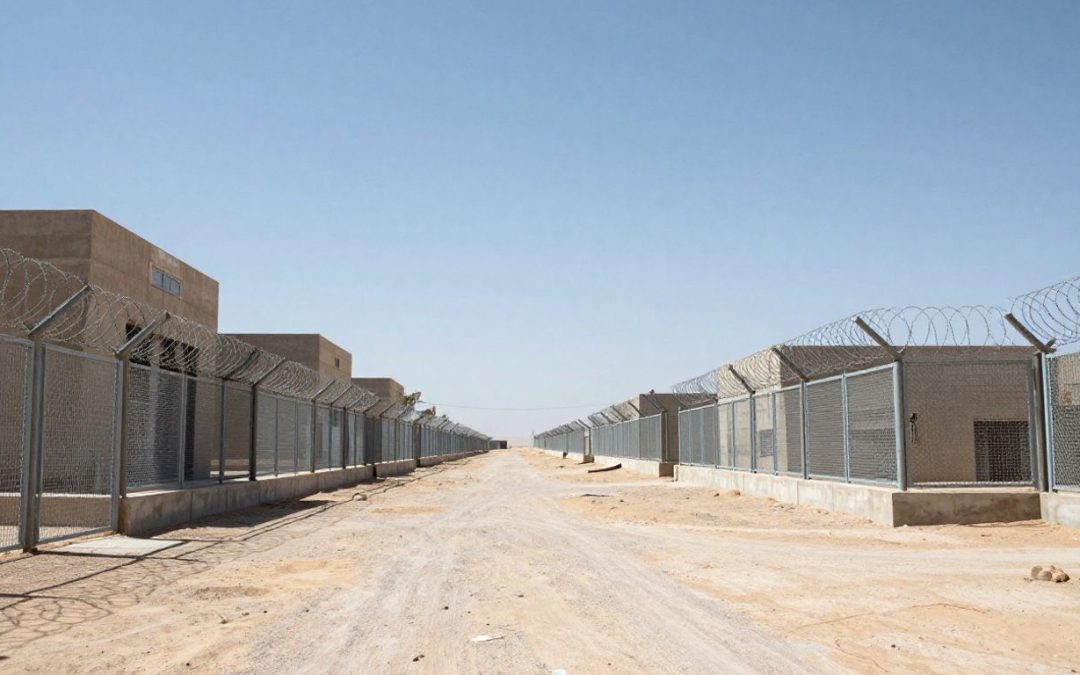
Dealing with immigration detention centers in Arizona, or ‘centros de detención ICE en Arizona’ as they’re known, can be really tough. It’s a confusing system, and if you or someone you know is going through it, knowing what to expect is half the battle. This guide is meant to break down some of the basics about these facilities and what happens when someone is detained.
Key Takeaways
- Arizona has major immigration detention facilities like the Eloy Detention Center and the Florence Service Processing Center, often managed by private companies under contract with ICE.
- Having a lawyer is super important. They know the system and can help you understand your rights and options.
- Knowing how to find someone in detention (using their A-Number) and understanding bond rules are key steps.
- Special attention is given to vulnerable groups, including children, those with mental health issues, and victims of trafficking.
- Immigration court in Arizona faces challenges like interpreter delays and the impact of extreme heat, and recent events have highlighted issues with courthouse arrests and expedited removal.
Understanding Arizona’s Immigration Detention Facilities
Arizona is home to several significant immigration detention centers, facilities where individuals are held while their immigration cases are processed. These centers are managed by U.S. Immigration and Customs Enforcement (ICE) and often operated by private contractors. It’s a complex system, and knowing the key players is the first step.
The Eloy Detention Center: An Overview
The Eloy Detention Center, located in Eloy, Arizona, is one of the largest immigration detention facilities in the country. It’s managed by CoreCivic under a contract with ICE. This facility holds a large number of individuals going through immigration proceedings. The sheer scale of Eloy means it plays a major role in the daily operations of immigration enforcement in the region.
Key aspects of the Eloy Detention Center include:
- Capacity: It can house a substantial number of detainees.
- Services: The center provides various services, including healthcare and access to legal resources.
- Contact: For general information about a detainee at Eloy, you can call (520) 464-3000 between 8 am and 4 pm.
Florence Service Processing Center Details
In addition to Eloy, the Florence area hosts multiple facilities that fall under the umbrella of the Florence Service Processing Center. These centers also hold individuals in ICE custody. If you need to post a bond for someone detained in Florence, the address is 3250 N. Pinal Parkway, Florence, AZ. Bond postings are typically accepted Monday through Friday, from 9:00 AM to 3:00 PM. Visitation schedules can vary, so it’s always best to contact the specific facility for current times.
CoreCivic’s Role in Detention Operations
CoreCivic is a private prison company that operates several detention facilities under contract with ICE, including the Eloy Detention Center. These private companies are responsible for the day-to-day management of the facilities, including housing, security, and some services for detainees. The involvement of private contractors is a significant aspect of the U.S. immigration detention system. It’s worth noting that approximately 3,000 immigrants are detained in Arizona on any given day, making up about 10% of the national total detained population, according to the ACLU of Arizona.
Understanding which facility a person is held in is important because procedures, visitation rules, and even the specific services available can differ between centers. This information can help families and legal representatives plan their next steps more effectively.
Navigating Legal Rights and Representation
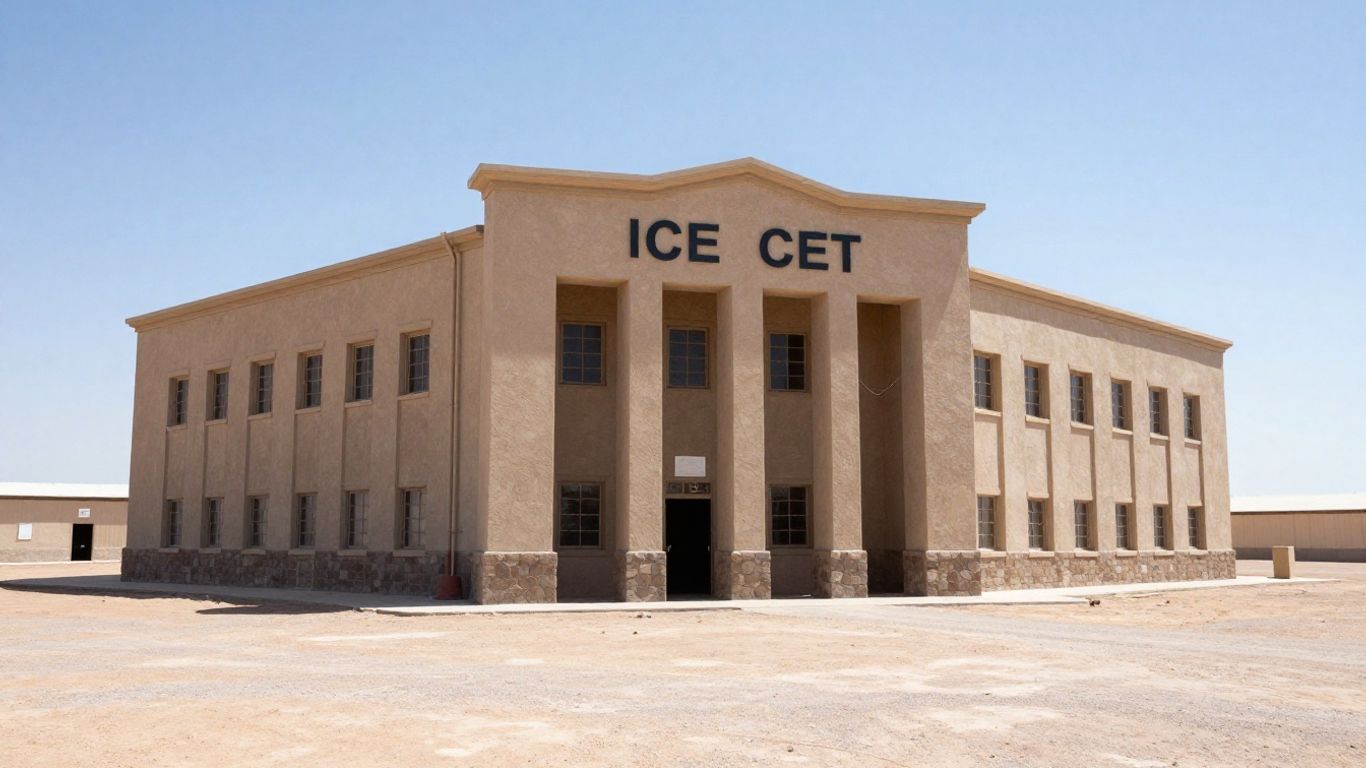
The Importance of Legal Counsel in Detention Cases
Being detained by immigration authorities can feel like being thrown into a maze, and honestly, it’s pretty overwhelming. The U.S. immigration system is complicated, and trying to figure it out on your own, especially when you’re locked up, is a really tough spot to be in. Having a lawyer who knows the ins and outs of immigration law can make a huge difference in your case. They understand the procedures, know what kind of evidence works best, and can speak for you in court. Without one, you’re basically trying to fight a complex legal battle with one hand tied behind your back. It’s not uncommon for people to make mistakes, like signing documents they don’t fully grasp or saying the wrong thing, which can seriously hurt their chances of staying in the country. A good attorney helps you avoid these pitfalls.
Understanding Detainee Rights
When you’re in detention, it’s easy to feel like you have no rights, but that’s not true. You have specific rights, and knowing them is your first line of defense. For instance, you have the right to speak with a lawyer. While the government doesn’t pay for your lawyer, you can always ask to speak with one. It’s also important to remember that you don’t have to talk about your case with detention staff or ICE officers unless your attorney is present. Anything you say can be used against you, so it’s best to keep quiet about the details of your case until you’ve spoken with your legal representative. You also have the right to bond in many cases, which means you might be able to get out of detention while your case is being processed. Don’t assume you can’t get a bond; always discuss it with your lawyer.
Here’s a quick rundown of some key rights:
- Right to Counsel: You can hire an attorney. If you can’t afford one, you can seek out pro bono services.
- Right to Remain Silent: You don’t have to answer questions about your case to anyone but your attorney.
- Right to Notice: You should be informed of the charges against you and the reasons for your detention.
- Right to a Bond Hearing: In many situations, you have the right to a hearing to determine if you can be released on bond.
It’s really important to get all your documents in order and keep them safe. If you have any official papers, make sure you have copies. Your A-Number is super important for finding you in the system and for your lawyer to access your case, so try to remember it or have a family member keep it handy.
Resources for Securing Legal Assistance
Finding legal help when you’re detained can seem daunting, but there are places that can assist. Many non-profit organizations work to provide free or low-cost legal services to immigrants, especially those in detention. The Florence Immigrant & Refugee Rights Project, for example, offers free representation to individuals held at the Eloy and Florence detention centers. Catholic Charities Immigration Services and CPLC Immigration Legal Services also provide services on a sliding scale or at reduced fees. It’s a good idea to ask detention center staff about available legal aid resources or have a family member outside research options for you. Getting connected with legal representation early on is one of the most effective steps you can take. You can also look into organizations that help find immigration lawyers who specialize in these cases. Remember, ICE is also committed to improving access to legal representation for individuals in these proceedings, so don’t hesitate to ask about available resources. ICE ERO has initiatives aimed at making sure everyone understands their legal options.
Key Procedures for Detained Individuals
Being detained by immigration authorities can feel overwhelming, and knowing the right steps to take is important. This section breaks down some of the key procedures you or a loved one might encounter while in immigration detention in Arizona.
Locating a Detained Individual: The A-Number
One of the first things families want to do is find out where their loved one is being held. The U.S. government assigns a unique identification number to every non-citizen, called an A-number. This nine-digit number is super important for tracking immigration cases and, crucially, for locating someone in detention. You can usually find this number on any immigration documents the person might have, or a family member might be able to get it from them.
Having the A-number makes searching the ICE Detainee Locator much easier. Without it, you’ll need to rely on other biographical information like full name, date of birth, and country of birth. It’s worth noting that the locator system might not show someone immediately after they’ve been detained, so sometimes a little patience is needed.
Bond Options and Hearings
For many people in detention, a primary goal is to get released while their immigration case is ongoing. This is often done through an immigration bond. Think of it like a security deposit. You pay a certain amount of money to the government, and in return, you’re released. If you show up for all your court dates, you usually get that money back. The amount of the bond isn’t set in stone; it depends on a judge’s decision, considering things like how likely you are to flee or if you have ties to the community.
Here’s a quick look at how bond hearings generally work:
- Requesting a Hearing: You or your legal representative can ask for a bond hearing.
- Judge’s Decision: An immigration judge will review your case and decide if you’re eligible for bond and, if so, how much it will be.
- Posting Bond: If bond is granted, the money needs to be paid to the Department of Homeland Security.
It’s important to know that not everyone is eligible for bond, and sometimes ICE might detain someone without offering bond initially. Discussing your options with an attorney is the best way to understand your specific situation.
Communication and Visitation Policies
Staying connected with the outside world is vital when you’re detained. Each detention facility has its own rules about how you can communicate with family and friends, and how they can visit. Generally, you’ll have access to phones, though calls are usually not free and might be limited in duration. Sending mail is also a common way to keep in touch.
Visitation policies can be quite strict. They often depend on the facility and might require pre-approval for visitors. You’ll typically need to know the detainee’s A-number to even start the process of arranging a visit. It’s a good idea to check the specific rules for the facility where the person is being held, as these can change. You can usually find this information on the ICE website or by contacting the facility directly once you know where they are.
Navigating the specifics of detention, like finding someone or understanding bond, can be tough. It’s easy to feel lost in the system. Knowing these basic procedures is the first step to getting the help and information you need.
Remember, understanding these procedures is a key part of the process. If you’re unsure about any of these steps, seeking advice from an immigration attorney is highly recommended. They can help clarify the details and guide you through the system.
Special Considerations for Vulnerable Populations
Detention can be tough for anyone, but for certain groups, it presents even bigger challenges. Arizona facilities hold individuals who might need extra support due to their age, health, or specific circumstances. It’s important to know about these special considerations.
Support for Unaccompanied Children
When children arrive in the U.S. without a parent or guardian, they are placed in a special system. These kids often have their own court dockets, which means their cases might move a bit faster than others. The goal is to get them into safe, stable environments quickly. Legal help is frequently available for these young people, often through non-profit groups that focus on child welfare in immigration cases. These services are designed to protect the child’s best interests throughout the legal process.
Addressing Mental Health Needs in Detention
Detention environments can be stressful, and for individuals with existing mental health conditions, this can be particularly difficult. ICE facilities are supposed to provide access to mental health care, but the quality and availability can vary. If someone is experiencing a mental health crisis or has a diagnosed condition, it’s important to communicate this to facility staff and legal representatives. Sometimes, accommodations can be made for court appearances, like allowing phone calls or extra breaks, to help manage these needs.
Protections for Trafficking Victims
Individuals who have been victims of human trafficking have specific protections under immigration law. If someone is identified as a trafficking victim, they may be eligible for certain immigration benefits and protections, which can impact their detention status and court proceedings. These protections often include things like confidentiality in hearings and the possibility of testifying via video. Organizations like the International Rescue Committee in Phoenix offer support services for trafficking survivors, helping them navigate both their legal cases and their recovery.
It’s vital for individuals in detention, especially those who are part of vulnerable groups, to communicate openly with their legal counsel about their specific needs and circumstances. This information is key to accessing available protections and appropriate care within the detention system.
Challenges and Developments in Arizona Immigration Courts
Arizona’s immigration courts, like many across the country, are dealing with a lot of moving parts. It’s not always a straightforward process, and things can get complicated pretty quickly. One of the biggest headaches people run into is just getting a court date that isn’t months or even years away. The system has been working to clear out a huge backlog of cases, and while there’s been some progress nationally, individual experiences can still mean long waits. This means people might be in detention for a really long time before their case is even heard properly.
Interpreter Availability and Delays
Getting a qualified interpreter can be a real hurdle. If you need an interpreter for a language that isn’t commonly spoken, you might have to wait a significant amount of time. The court needs to provide these services for free, but the process of securing one, especially for less common languages, can add weeks or even months to your court schedule. This delay can be tough, especially when you’re trying to get your case resolved.
Impact of Extreme Heat on Court Operations
Arizona is known for its intense heat, and this can actually affect court operations. While court buildings are usually air-conditioned, getting to and from the courthouse, or waiting outside if there are any delays, can be really uncomfortable and even dangerous during the hottest months. This is especially true for individuals who are detained and might be transported to court facilities.
Recent ICE Enforcement Actions Near Courthouses
There have been some concerning reports about ICE agents conducting arrests right outside immigration courthouses. This practice has caused a lot of anxiety and has led to protests. It creates a climate of fear and can discourage people from attending their hearings or seeking legal help.
The presence of enforcement agents near court facilities can create a chilling effect, making individuals hesitant to engage with the legal process due to fear of immediate detention or arrest. This situation raises serious questions about access to justice and the safety of individuals navigating the immigration system.
Here’s a quick look at some common issues:
- Longer wait times: Backlogs mean hearings are often scheduled far into the future, extending the overall duration of these legal processes.
- Interpreter needs: Requests for less common languages can cause significant delays.
- Courtroom access: Limited seating and security procedures can be challenging.
- ICE actions: Arrests near courthouses create fear and uncertainty.
It’s a lot to keep track of, and having good legal advice can make a huge difference in how you handle these situations. If you’re facing immigration court, understanding these challenges is the first step to preparing yourself.
Preparing for Immigration Court Appearances
Essential Documents for Court
Getting ready for your immigration court date means having the right paperwork. It’s not just about showing up; it’s about being prepared. You’ll definitely need your government-issued photo ID and all the original documents related to your case. Think of it like this: the court needs to see the real deal. Also, make sure you have copies of everything – the original plus at least three extra sets for the court and the Department of Homeland Security. If you have an A-Number, bring that documentation too. For cases involving children, their birth certificates are a must. It sounds like a lot, but being organized makes a huge difference.
Items Allowed and Prohibited in Court
When you go to court, what you bring in matters. You can bring water and snacks, but remember, no food is allowed inside the actual courtroom. A phone charger might be handy because waits can happen, and some reading material is a good idea too. Bringing cash for parking is also smart. On the flip side, there are strict rules about what’s not allowed. Absolutely no weapons, recording devices, or cameras. Large bags are also a no-go. They want to keep the courtroom focused and secure, so stick to the basics.
Understanding Expedited Removal Processes
Expedited removal is a process where immigration officers can remove certain individuals without a hearing before an immigration judge. This usually applies to people who have been in the U.S. for a short period, typically less than two years, and cannot prove they have been here continuously. It’s a faster track to deportation, and it’s important to know if this process might apply to your situation. Understanding if you qualify for expedited removal is critical because it significantly changes how your case will proceed and your options. If you’re unsure, talking to a legal professional is the best way to figure out your next steps. You can find resources to help you secure legal assistance if you don’t already have a lawyer.
Missing your court date can have really serious consequences. Judges can order removal in absentia, meaning you’re ordered deported without even being there. The numbers show this happens quite a bit, so making sure you attend every scheduled hearing is super important. If you absolutely cannot make it, you need to file a specific motion with the court explaining why, and you’ll need proof.
Wrapping Things Up
So, we’ve gone over a lot about what it’s like dealing with ICE detention centers here in Arizona, like the one in Eloy. It’s definitely not a simple process, and there’s a lot to keep track of, especially when it comes to your rights and getting help. Remember, knowing what to expect and having good legal advice can make a huge difference. Don’t go through this alone; look for resources and support. It’s a tough situation, but being informed is the first step to facing it.
Frequently Asked Questions
What are the main immigration detention centers in Arizona?
The primary immigration detention centers in Arizona are the Eloy Detention Center and the Florence Service Processing Center. These facilities hold individuals while their immigration cases are being processed. They are often managed by private companies under contract with the government.
How can I find out if someone is being held in an Arizona ICE detention center?
You can usually find a detained person by using the ICE Detainee Locator online. You will need their full name and possibly their date of birth. An ‘A-Number,’ which is a unique identification number for immigrants, is also very helpful for this search and for accessing case information.
What rights do I have if I am detained by ICE in Arizona?
Even if you are detained, you have important rights. You have the right to speak with a lawyer, and you should not sign any documents without legal advice. You also have the right to a bond hearing in many cases and the right to communicate with your family and consulate. It’s crucial to know these rights.
How important is it to have a lawyer for an immigration case in Arizona?
Having a lawyer is extremely important, especially if you are detained. Immigration law is very complicated. Lawyers understand the system, know how to present your case effectively, and can help you navigate the courts. Studies show that people with lawyers have a much better chance of winning their cases.
What are the rules for visiting someone in an Arizona detention center?
Visiting rules can differ between facilities, but generally, you’ll need to check the specific center’s policy for visiting hours and requirements. You’ll likely need a government-issued ID. Communication is often also possible through phone calls and video visits, though these may have associated costs.
What should I bring to an immigration court hearing in Arizona?
For court, you should bring important original documents related to your case, like your A-Number information and any evidence you have. Copies are usually needed for the judge and the government. You can bring water and snacks, but no food or drinks are allowed inside the actual courtroom. Leave prohibited items like weapons or recording devices at home.