

So, you’re a Venezuelan looking for safety in the U.S. and heard about asylum? It’s a big deal, and honestly, the whole process can feel like a maze. People fleeing tough situations back home need to know their options, and that’s what this is all about. We’re going to break down how asylum works here, what to expect if you have to talk to an officer about your fears, and what other protections might be available if asylum isn’t the right fit. It’s not always straightforward, especially for folks from Venezuela, but understanding the basics is the first step. We’ll also touch on how to get your case ready and what’s realistic when it comes to approval rates. Plus, a heads-up on avoiding scams – because nobody needs that extra stress.
Key Takeaways
- The U.S. asylum system lets people fleeing persecution apply for protection. There are two main ways to do this: applying directly to USCIS (affirmative asylum) or asking an immigration judge when you’re facing deportation (defensive asylum).
- The Credible Fear Interview (CFI) is an early step where an officer decides if you have a real fear of returning home. It’s important to clearly explain why you’re afraid, even if it’s hard to talk about.
- Besides asylum, there’s Withholding of Removal, which stops you from being sent back if your life or freedom would be threatened. It has different rules than asylum and doesn’t lead to a green card.
- Getting your case ready means gathering all possible proof and telling your story clearly. Having a lawyer who knows immigration law can make a huge difference in your chances.
- Approval rates for asylum cases can vary a lot depending on where you apply and who reviews your case. Knowing these numbers can help you understand what to expect, but every case is different.
Understanding the U.S. Asylum Framework
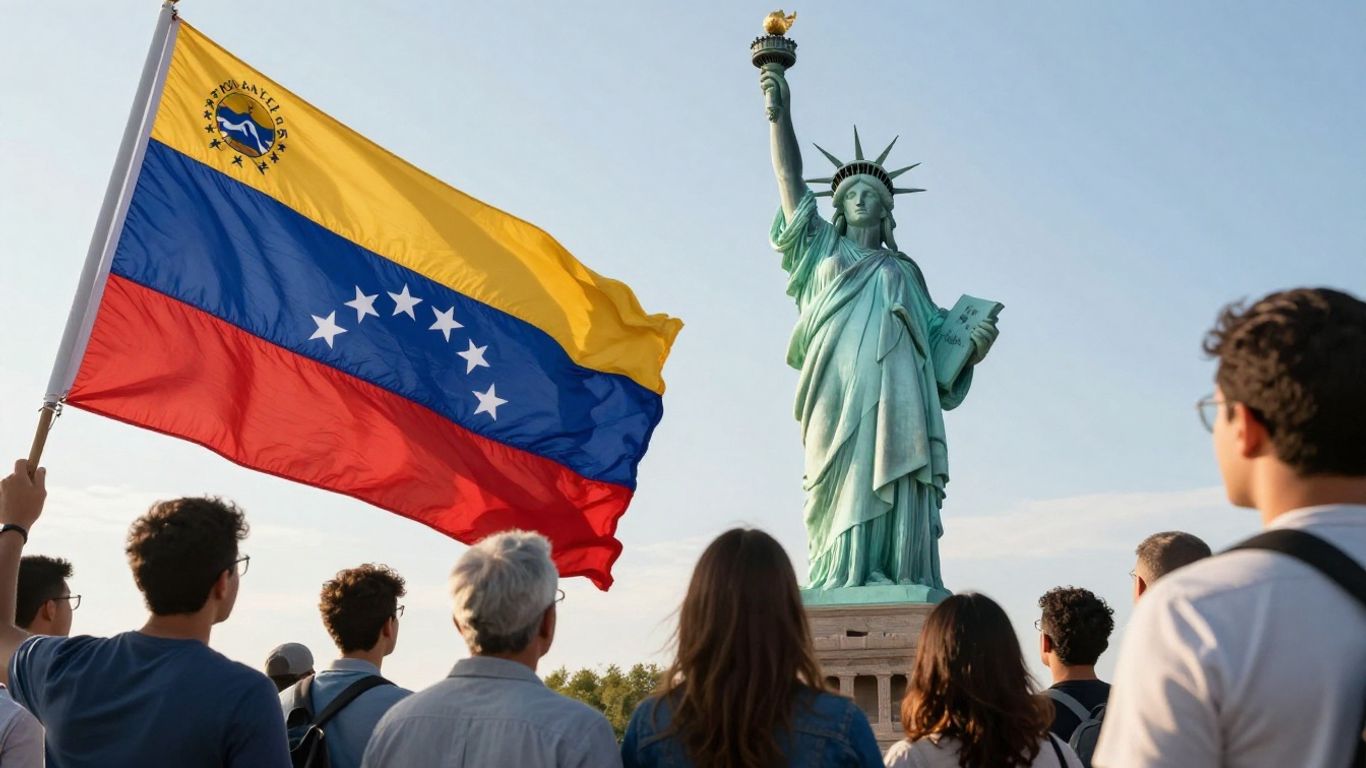
So, you’re looking into asylum in the U.S. It’s a big topic, and honestly, the system can feel pretty overwhelming at first. But understanding the basics is the first step. The U.S. has laws in place, mainly stemming from the Refugee Act of 1980, that allow people who have faced persecution or have a solid reason to fear it back home to seek protection here. This protection is generally granted if the fear of persecution is tied to your race, religion, nationality, membership in a specific social group, or your political opinions.
Legal Basis for Asylum Claims
The core idea behind asylum is rooted in international agreements and U.S. law. It’s about offering safety to individuals who can’t find it in their home country. To qualify, you generally need to show that you’ve either already been persecuted or have a "well-founded fear" of future persecution. This fear must be based on one of the protected grounds mentioned above. It’s not just about general hardship; it has to be tied to these specific reasons. Proving your case often relies heavily on your own testimony, backed up by any evidence you can gather.
Affirmative Versus Defensive Asylum Processes
There are two main ways people apply for asylum. The first is called affirmative asylum. This is when you’re not in removal proceedings and you proactively file your case with U.S. Citizenship and Immigration Services (USCIS). You’re essentially asking for asylum before any deportation action has started. The other way is defensive asylum. This happens if you’re already in immigration court facing deportation. In this situation, you request asylum as a defense against being removed from the country. For many Venezuelans arriving in the U.S., especially if they enter without authorization, defensive asylum can become the more common path. It’s important to know that Venezuelans in the U.S. can now apply for asylum following changes in policy, which provides a new pathway for those seeking protection.
Key Differences: Asylum and Withholding of Removal
While asylum is the primary form of protection, it’s not the only one. Sometimes, even if someone doesn’t quite meet the criteria for asylum, they might still be eligible for other protections like Withholding of Removal or relief under the Convention Against Torture. The big difference is that asylum offers a path to permanent residency (a green card) and eventually citizenship. Withholding of Removal, on the other hand, just prevents you from being sent back to your home country where you fear persecution. It doesn’t provide that same pathway to a green card. It’s a more limited protection, though still very important for safety.
The process requires careful attention to detail and a clear presentation of your situation. Gathering all necessary documents and understanding the specific requirements for your claim are vital steps.
To start the asylum process, you’ll typically need to file Form I-589, Application for Asylum and for Withholding of Removal. It’s generally recommended to file this within one year of arriving in the United States. This form is the official start of your asylum claim, whether you pursue it affirmatively or defensively.
Navigating the Credible Fear Interview
So, you’ve made it to the U.S. border and expressed a fear of going back home. What happens next? Often, it’s a Credible Fear Interview, or CFI. Think of it as a first hurdle. An asylum officer will chat with you to see if there’s a real chance you could qualify for asylum or other protections. This interview is super important because it’s your first shot at convincing the system that you have a valid reason to fear returning to Venezuela.
Purpose and Procedure of the CFI
The main goal here is pretty straightforward: to figure out if you have a "significant possibility" of being eligible for asylum. The officer isn’t making a final decision on your case, but they are deciding if your case is strong enough to move forward. You’ll need to explain why you’re afraid to go back, mentioning specific reasons like race, religion, nationality, or political opinion. It’s usually a short conversation, and they’ll be taking notes. They also have country condition reports to help them understand what’s happening back home.
Challenges Faced by Venezuelan Applicants
Let’s be real, this interview can be tough. For folks from Venezuela, there are a few extra bumps in the road. Sometimes, language can be a barrier, and even with an interpreter, things can get lost in translation. Plus, you’re often being asked to talk about really difficult, traumatic stuff, which is never easy. It’s hard to recall those events clearly when you’re feeling stressed and maybe haven’t slept well. Also, getting official papers from Venezuela can be a nightmare, making it harder to back up your story with documents. If you’re not in removal proceedings yet, you might be able to apply for asylum with USCIS, but if you are, you’ll likely have a credible fear interview first.
Ensuring Fairness in the Investigative Process
USCIS officers are supposed to look at your case fairly, using information about Venezuela and what you tell them. But, things can get tricky. Sometimes, the way the interview is conducted, or if you don’t have someone helping you, can make a difference in the outcome. It’s a lot to handle on your own. If you’re found to have a credible fear, you’ll then be referred for further proceedings, which could involve an Asylum Merits Interview if you’re not in removal proceedings.
It’s important to remember that the rules and how they’re applied can change. What happened last year might not be exactly how things work today, especially with different policies coming and going. Being prepared and knowing what to expect, as much as possible, is key.
Legal Protections Beyond Asylum
So, asylum is the main goal for many, but what happens if it doesn’t work out, or if you’re looking for other ways to stay safe? It’s not just a one-or-done situation. The U.S. has other protections in place, and it’s good to know about them.
Withholding of Removal Explained
Think of withholding of removal as a safety net. It’s a bit different from asylum. If you get asylum, you can eventually apply for a green card. Withholding of removal doesn’t offer that path to permanent residency. However, it does stop the U.S. government from sending you back to a country where you’d face danger. To get this, you usually have to show a really strong chance – like, a clear probability – that your life or freedom would be threatened because of your race, religion, nationality, membership in a particular social group, or political opinion. It’s a higher bar than asylum in some ways, but it doesn’t have some of the same restrictions, like the one-year deadline to apply that can affect asylum claims.
Convention Against Torture Protections
This protection comes from an international treaty the U.S. is part of. It’s for people who would likely face torture if sent back home. Torture is defined pretty specifically here – it means severe pain or suffering, whether physical or mental, inflicted by or with the approval of a public official. Like withholding of removal, this doesn’t lead to a green card, but it does prevent you from being sent back to a place where you’d be tortured. The standard of proof is also quite high, similar to withholding of removal.
Humanitarian Parole and TPS Options
Sometimes, there are other ways to get protection or permission to stay, even if asylum isn’t granted. Humanitarian parole is a way for the government to let people into the U.S. for urgent humanitarian reasons or significant public benefit. It’s not a long-term status, but it can provide a temporary safe haven. Temporary Protected Status, or TPS, is another option. This is granted to people from countries experiencing temporary crises, like war or natural disasters. It allows individuals to stay and work legally for a set period. Recent actions have provided humanitarian parole for Venezuelans, offering a different route for some.
It’s important to remember that these protections, while valuable, have different requirements and outcomes than asylum. They are designed to address specific situations where returning home would be dangerous, but they don’t always offer the same long-term benefits as a granted asylum case.
Preparing Your Asylum Case
Getting your asylum case ready is a big job, and it takes time. Think of it like building a house; you need a solid plan and all the right materials before you can even start. The U.S. asylum system can be complicated, so being organized from the start really helps.
Gathering Essential Documentation
This is where you collect all the proof that supports your story. It’s not just about what happened, but having papers to back it up. You’ll want to gather anything that shows why you fear returning to Venezuela. This could include news articles about the political situation or specific threats in your region, police reports if you were ever targeted, or even letters from family members describing the dangers you face. Don’t forget personal documents like your passport, birth certificate, and any previous immigration documents. The more evidence you have, the stronger your claim will be.
- Identification: Passport, national ID card, driver’s license.
- Evidence of Persecution: Police reports, medical records, photos, witness statements.
- Country Conditions: News articles, human rights reports, government advisories about Venezuela.
- Personal History: Birth certificates, marriage certificates, any previous visa applications or denials.
Crafting a Compelling Personal Narrative
Your personal story is the heart of your asylum claim. It’s not just a list of events; it’s about explaining clearly and honestly why you fear returning home. You need to tell your story in a way that makes sense and connects with the person reviewing your case. Think about the specific reasons you fear persecution – was it because of your political opinion, your religion, your membership in a particular social group, or your nationality? Be detailed and consistent. Your narrative should clearly explain the "what, when, where, why, and who" of your persecution. It’s often helpful to write this down chronologically, starting from when the problems began and leading up to your arrival in the U.S.
The process of writing your personal statement can bring back difficult memories. It’s okay to feel overwhelmed. Take breaks when you need them and remember why you are doing this. Focus on being truthful and clear, as this document will be a central piece of your application.
The Importance of Legal Representation
Trying to handle an asylum case on your own can be incredibly difficult. Immigration law is complex, and there are many rules and deadlines to follow. Having a lawyer who specializes in asylum cases can make a huge difference. They know how to present your evidence, write your personal statement effectively, and represent you in interviews or court hearings. Studies have shown that people with legal help are much more likely to have their asylum claims approved. If you can’t afford a lawyer, look for non-profit organizations or legal aid groups that offer free or low-cost services. A good lawyer can help you understand the asylum process and make sure you don’t miss any important steps. It’s also worth noting that recent developments, like the potential impact of a new Venezuelan amnesty law, make legal advice even more critical for those seeking protection.
Understanding Asylum Approval Rates
It’s natural to wonder about the chances of getting asylum approved. The numbers can seem a bit all over the place, and honestly, they change. It’s not a simple yes or no for everyone. Different places process asylum claims, and each has its own way of looking at things. This means where you apply can really make a difference in your case.
Variations in USCIS Affirmative Asylum Approvals
When you apply for asylum directly with U.S. Citizenship and Immigration Services (USCIS), it’s called an affirmative asylum claim. These applications are handled by different USCIS Asylum Offices across the country. Each office has its own approval rate, and these rates can shift from year to year. For example, in fiscal year 2022, approval rates at USCIS offices ranged from about 38% in San Diego to 62% in New York. For Venezuelan applicants specifically, rates also varied by office, with Miami showing a higher rate of 61% compared to San Diego’s 32% in the same year. These differences often come down to things like how familiar the officers are with the conditions in Venezuela, the number of cases they have, and the support available from the local community.
Defensive Asylum Approval Trends in Immigration Courts
If you’re already in deportation proceedings, you might apply for asylum as a defense. This is called defensive asylum, and immigration judges decide these cases, not USCIS officers. The approval rates here can look quite different from USCIS. In 2022, for instance, some immigration courts had approval rates as low as 10-18% for Venezuelan applicants, while others, like Los Angeles and New York, saw rates above 50%. It seems like courts in areas with larger immigrant populations and more access to lawyers tend to have better outcomes. It’s a complex picture, and factors like the specific judge and the resources available to you play a big part.
Factors Influencing Case Outcomes
So, why do these numbers swing so much? A few things seem to be pretty consistent. The presence of a lawyer makes a big difference. People with legal representation generally have a much better chance of getting their asylum claim approved. Where you are physically located also matters; some offices and courts are just more familiar with certain country conditions. The sheer number of cases an office or court has to deal with can also affect how much time each case gets. And, of course, individual judges and asylum officers have their own ways of interpreting the law and the evidence presented.
It’s important to remember that these statistics are just averages. Every single asylum case is unique. The numbers can give you an idea of what to expect, but they don’t predict the outcome of your personal situation. Strong evidence and a well-prepared case are always key.
Here’s a look at some general approval rates:
- USCIS Affirmative Asylum Approval Rates (FY 2022):
- Chicago: 54%
- Houston: 45%
- Miami: 52%
- New York: 62%
- San Diego: 38%
- Immigration Court Defensive Asylum Approval Rates (Selected Courts, 2022 – Venezuelan Applicants):
- Arlington, VA: 15%
- San Antonio, TX: 10%
- New York, NY: 52%
- Los Angeles, CA: 63%
- Chicago, IL: 40%
Keep in mind that Venezuelan applicants often have specific approval rates within these broader categories, which can sometimes be higher, especially in offices and courts more familiar with the situation in Venezuela. The sheer volume of pending cases, with Venezuelans making up a large portion of them, adds another layer of complexity to the system [f172]. Understanding these trends can help you prepare better and know what to expect as you go through the process.
Addressing Scams and Fraud

It’s a tough situation, trying to find safety and a new life in a new country. Sadly, there are people out there who try to take advantage of that. They prey on folks who are already stressed and maybe don’t know all the ins and outs of the U.S. immigration system. These scammers can look like lawyers or immigration consultants, but they’re just looking to make a quick buck off your hopes and fears.
Recognizing Immigration Scams
Scammers are getting pretty sophisticated. They might promise to speed up your case, guarantee you’ll get asylum, or even create fake government documents. Sometimes they’ll ask for money upfront for services they never deliver. Never trust anyone who guarantees you a specific outcome or asks for payment in cash, especially if they pressure you to act fast. They often target vulnerable groups, and unfortunately, many people have lost significant amounts of money to these schemes. Some have even been tricked into fake court hearings via video calls.
Seeking Trustworthy Legal Counsel
Finding the right help is super important. You want someone who is actually qualified to give you legal advice. This means a licensed attorney or an accredited representative from a recognized organization. It’s a good idea to check their credentials. You can often find lists of reputable legal service providers through non-profit organizations or bar associations. Don’t be afraid to ask questions about their experience with asylum cases, especially for people from Venezuela. Getting advice from someone who isn’t authorized can actually hurt your case.
Resources for Avoiding Fraudulent Practices
There are places that can help you figure out who is legitimate and who isn’t. Organizations dedicated to immigrant rights often have resources to help you spot scams. They can also point you toward trusted legal services. It’s always better to be safe than sorry. If something feels off about a person or an offer, it probably is. You can also check with government agencies or established non-profits to verify information. Remember, the U.S. immigration system has its own processes, and no one can truly ‘expedite’ it beyond what the law allows. Be wary of anyone claiming otherwise.
- Always verify the credentials of anyone offering legal advice.
- Be suspicious of anyone who guarantees a positive outcome or asks for large upfront payments.
- Seek referrals from reputable immigrant support organizations or legal aid societies.
- Report suspected fraud to the appropriate authorities if you encounter it.
Moving Forward
So, seeking asylum in the U.S. is definitely not a simple walk in the park, especially for folks coming from Venezuela. We’ve talked about the different ways to apply, like affirmative and defensive asylum, and how important things like the Credible Fear Interview are. It’s a tough road, for sure, with lots of paperwork and waiting. But remember, there are options, and knowing about them is the first step. Keep gathering your documents, find good legal help if you can, and stay informed about what’s happening back home and with U.S. policies. It’s a lot to handle, but people do get through it.
Frequently Asked Questions
What is asylum and why would a Venezuelan need it?
Asylum is a form of protection in the U.S. for people who have faced or fear facing serious harm in their home country. Venezuelans might seek asylum because of dangers like political persecution, violence, or severe human rights issues happening in Venezuela that make it unsafe for them to return.
What’s the difference between applying for asylum before being caught by immigration officials and after?
If you apply for asylum before immigration officials start the process to send you back home, it’s called ‘affirmative asylum.’ You apply with U.S. Citizenship and Immigration Services (USCIS). If you are already in removal proceedings (meaning the government is trying to deport you), you can ask for asylum as a defense, which is called ‘defensive asylum.’ This is often heard by an immigration judge.
What is a Credible Fear Interview (CFI)?
The Credible Fear Interview is a meeting with an asylum officer that happens soon after you arrive at the border if you tell officials you’re afraid to go back to your country. It’s a quick check to see if you have a good reason to fear returning. If you pass this interview, you can continue with your asylum case in the U.S.
Besides asylum, are there other ways Venezuelans can get protection in the U.S.?
Yes, there are other options. ‘Withholding of Removal’ is a protection that stops you from being sent back to a country where your life or freedom would be threatened. Another possibility is protection under the Convention Against Torture (CAT) if you fear being tortured. Sometimes, special programs like Temporary Protected Status (TPS) or Humanitarian Parole might also be available, offering temporary protection.
How important is it to have a lawyer for an asylum case?
Having a lawyer is extremely important. Asylum law is very complicated, and lawyers understand how to gather the right proof, tell your story effectively, and navigate the legal system. Studies show that people with legal help are much more likely to win their asylum cases than those without it.
Can asylum approval rates change, and what should I know about them?
Yes, asylum approval rates can change and vary a lot depending on where you apply and who reviews your case. While some general statistics exist, they are just averages. Factors like the quality of your evidence, your personal story, and whether you have legal representation play a huge role in the outcome of your specific case. It’s best to focus on building the strongest case possible.