
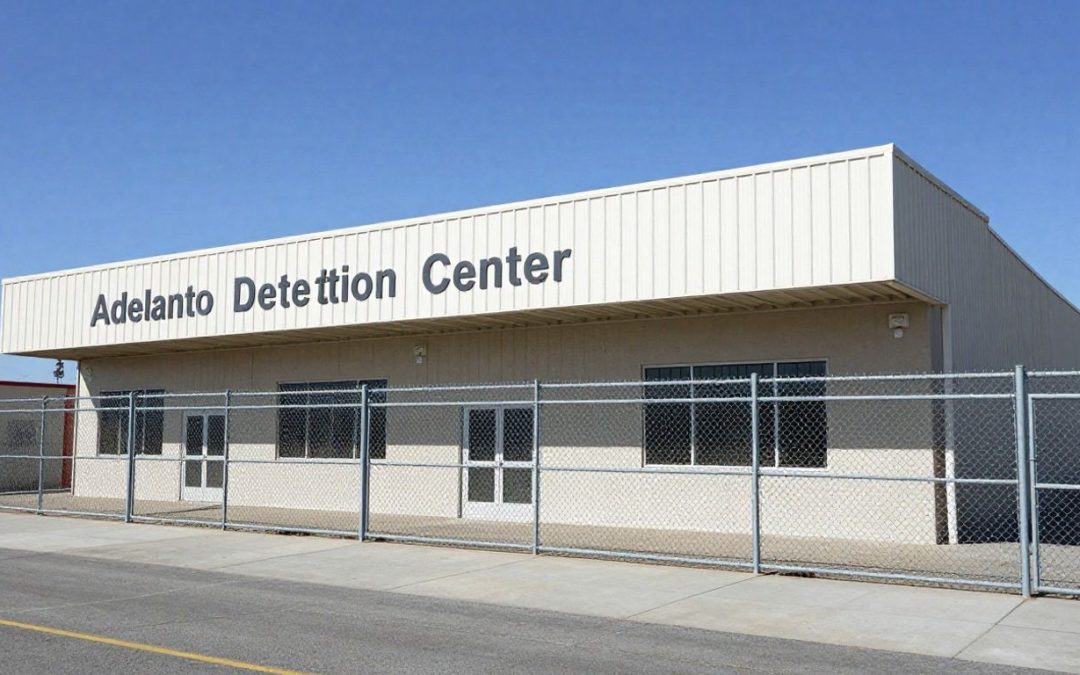
It’s 2026, and the Adelanto Detention Center is still a hot topic. Reports and lawsuits paint a grim picture of what goes on inside, and it seems like folks are really questioning how things are run. From medical care to basic living conditions, there are a lot of serious allegations being made. Plus, with the population at the center going up, people are worried about whether there are enough staff and if they’re experienced enough to handle it all. Let’s take a look at what’s being said about the Adelanto detention center.
Key Takeaways
- A federal lawsuit filed in 2026 details claims of unconstitutional conditions at the Adelanto Detention Center, including denial of basic necessities like medical care, sanitation, and food.
- The lawsuit highlights the human cost of detention, particularly for vulnerable populations, and alleges systemic cruelty and neglect within the facility.
- Concerns are raised about the lack of transparency in detention operations and challenges in oversight, including instances where congressional access was denied.
- The Adelanto Detention Center’s population has significantly increased, leading to worries about understaffing and the impact on detainee safety and well-being.
- Allegations include preventable illnesses and deaths, with specific cases like Ismael Ayala-Uribe and Gabriel Garcia-Aviles under investigation, fueling calls for accountability.
Allegations of Unconstitutional Conditions at Adelanto Detention Center
It’s pretty grim inside the Adelanto ICE Processing Center, according to a major lawsuit filed in early 2026. People held there are saying they’re not getting basic necessities, and honestly, it sounds like a nightmare. The lawsuit paints a picture of a system that’s just not treating people right, with claims of neglect and conditions that are way below what anyone should have to endure.
Lawsuit Exposes Systemic Cruelty and Neglect
A federal lawsuit filed in January 2026 by a group of legal advocates lays out some serious accusations against the Adelanto detention center. It claims the facility is built on a foundation of cruelty and a disregard for human dignity. The suit points to Adelanto as a prime example of how people are harmed by neglect and what they call deliberate indifference. It’s not just about minor issues; the case is pushing for accountability for the facility’s failure to provide the most basic things people need to survive and stay healthy.
Denial of Basic Necessities: Medical Care, Sanitation, and Nutrition
The core of the lawsuit revolves around the denial of fundamental needs. Detainees report not getting adequate medical and mental health care, which is especially worrying given the facility’s history. There are also claims about living spaces being unsanitary, with reports of moldy towels and unclean water. Food and water are also said to be insufficient. It’s hard to imagine living like that, day in and day out. The facility, which can hold almost 2,000 people, is run by a private company, and the lawsuit suggests this setup might be part of the problem, creating incentives that don’t prioritize detainee well-being.
Human Cost of Detention: Impact on Vulnerable Populations
The impact of these conditions is felt most acutely by those who are already vulnerable, particularly individuals with medical needs. The lawsuit details how people with life-threatening conditions are allegedly denied essential medical attention, sometimes fighting for their lives while their suffering is treated as an inconvenience. This neglect can have devastating consequences, turning a detention period into a fight for survival. The situation is especially concerning for people with disabilities, who have reported not receiving necessary medications on time, putting them at serious risk. This kind of treatment raises questions about the government’s obligation to provide care for individuals in its custody [26a4].
The conditions described in the lawsuit suggest a pattern of systemic failure to uphold basic human rights within the detention center. This goes beyond simple administrative oversight and points to a deeper issue of how individuals in federal custody are being treated.
Oversight and Accountability Challenges at Adelanto
It’s pretty tough to get a clear picture of what’s actually going on inside the Adelanto Detention Center. The lack of transparency is a major hurdle for anyone trying to understand the conditions and ensure detainees are treated fairly. Even when officials are supposed to be checking in, access is often limited, making it hard to spot problems before they get serious.
One of the biggest issues is that the facility is run by a private company, GEO Group. This means there’s a profit motive involved, and some argue that the focus shifts from care to making money. They’re often guaranteed a certain number of beds filled, which doesn’t exactly encourage finding ways to release people or improve conditions to reduce the population. It feels like a system where keeping people locked up is the main goal, rather than ensuring their well-being.
Here’s a look at some of the key challenges:
- Limited Access for Oversight: It’s not easy for outside groups, including members of Congress, to get a full look at the facility. This makes it hard to independently verify claims about conditions.
- Private Operator’s Role: The involvement of a private company raises questions about priorities. Are they focused on detainee welfare or on meeting financial targets?
- Data Scarcity: Getting reliable, up-to-date information on things like medical incidents, use of force, or solitary confinement numbers can be incredibly difficult.
The system seems designed to keep people detained, and when oversight is weak, it’s easier for problems to go unnoticed or unaddressed. This creates a situation where accountability is hard to pin down, and the people inside are left vulnerable.
This situation makes it difficult for groups like Public Counsel to effectively advocate for the rights of those detained. Without open access and clear reporting, it’s a constant uphill battle to bring about necessary changes.
Detainee Experiences and Legal Challenges
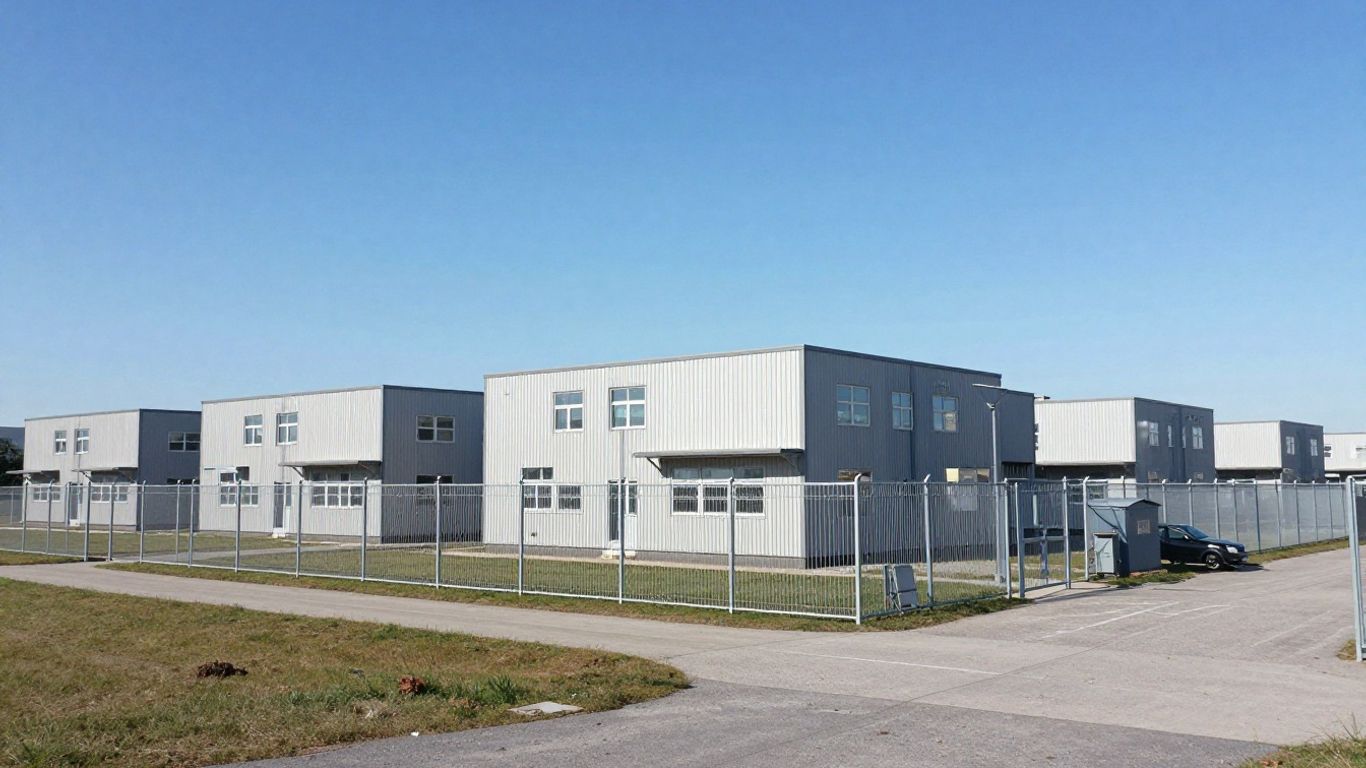
It’s tough to really grasp what life is like inside the Adelanto Detention Center without hearing it straight from the people who are actually there. Many detainees describe a constant state of anxiety, not knowing when they’ll be free or see their families again. This uncertainty really takes a toll. The lawsuit filed in January 2026 by several legal groups highlights a system that allegedly inflicts cruelty and ignores basic human dignity.
People held at Adelanto have shared stories that are hard to ignore. For instance, one man who is deaf had his hearing aids taken away upon arrival and wasn’t given replacements that worked properly for months. He was left to navigate his detention with an infection on his leg, struggling to communicate. Another detainee, who had been held for nearly three years, witnessed someone bite off the tip of their own finger and eat it. This individual was then placed in solitary confinement in a leaky cell and didn’t get antibiotics until the infection worsened significantly.
These experiences point to a larger pattern of neglect and mistreatment. The conditions described often include:
- Lack of adequate medical and mental health care, with serious conditions sometimes ignored.
- Filthy living spaces and insufficient food and clean water.
- Prolonged periods in solitary confinement, which can cause severe psychological distress.
Legal action has been a significant part of challenging these conditions. A federal lawsuit, filed on behalf of former detainees, aims to address these alleged constitutional violations. It calls for better medical care, proper nutrition, cleaner living environments, and an end to excessive solitary confinement. The goal is to bring transparency and independent oversight to the facility, which is operated by a private company. This legal fight seeks to establish standards that could improve conditions not just at Adelanto, but at detention centers across the country. The Attorney General’s office has also supported legal actions concerning these issues.
The human cost of prolonged detention, especially when coupled with inadequate care and isolation, is immense. It’s a situation where individuals are stripped of their basic rights and dignity, often facing deteriorating health and psychological trauma without proper recourse. This environment can lead to severe consequences, impacting individuals long after their release, if they are ever released.
These personal accounts and the subsequent legal battles paint a grim picture of life inside Adelanto, underscoring the urgent need for accountability and reform within the immigration detention system. The lawsuit itself details numerous claims of inhumane treatment.
Critical Incidents and Fatalities at Adelanto
Deaths Under Investigation: Ismael Ayala-Uribe and Gabriel Garcia-Aviles
It’s a grim reality that the Adelanto Detention Center has seen several deaths while individuals were in custody. Two cases that have drawn significant attention are those of Ismael Ayala-Uribe and Gabriel Garcia-Aviles. Ayala-Uribe, a 39-year-old DACA recipient, passed away in ICE custody at Adelanto on September 22, 2025. Just a month later, on October 23, 2025, Gabriel Garcia-Aviles, 56, died after being detained there for only about a week. Both of these deaths are still under investigation, leaving families and advocates searching for answers. It’s a heavy burden for any family to bear, and the circumstances surrounding these events are deeply concerning.
Allegations of Denied Medical Care Leading to Fatal Outcomes
In connection with these tragic deaths, serious allegations have surfaced regarding the denial of adequate medical care. For instance, the family of Ismael Ayala-Uribe has stated that he was not given proper medical attention while in Immigration and Customs Enforcement’s care. This isn’t an isolated claim; a broader lawsuit filed against the facility points to a pattern where individuals with serious health issues are allegedly not receiving the care they need. It’s hard to imagine the fear and suffering someone might experience if they believe their health is deteriorating and help isn’t coming. This alleged neglect, if proven, has devastating consequences.
Calls for Accountability for Preventable Illnesses and Deaths
These incidents have understandably led to strong calls for accountability. Advocates and legal groups are pushing for thorough investigations into each death and for systemic changes to prevent future tragedies. The situation at Adelanto highlights a larger concern about the conditions within immigration detention centers and the responsibility of those operating them. There’s a persistent worry that illnesses and deaths that could have been avoided are happening because of inadequate care and oversight. It’s a complex issue, but the core demand is simple: people in detention deserve humane treatment and access to necessary medical attention. The facility has seen multiple deaths, with four Mexican nationals dying there in the past, prompting calls for an investigation into the Adelanto ICE Processing Center.
The human cost of detention is starkly illustrated by these fatalities. When individuals in custody die under questionable circumstances, it raises profound questions about the standards of care and the effectiveness of oversight mechanisms. The pursuit of truth and justice for those who have lost their lives is paramount, as is the implementation of measures to prevent such preventable tragedies from occurring again.
The Surge in Adelanto Detention Center Population
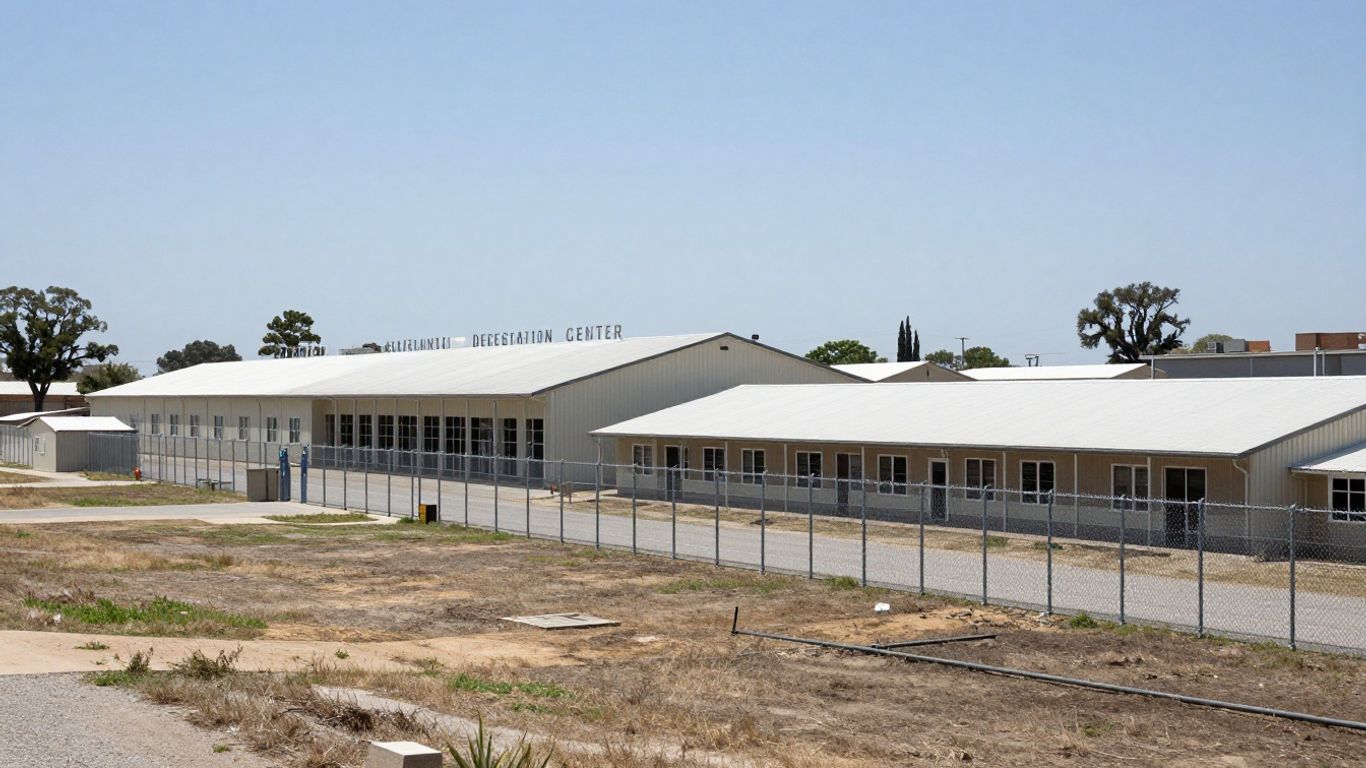
It seems like just yesterday, the Adelanto Detention Center was practically empty. But things have changed, and fast. By early 2026, the number of people held here has shot up dramatically, reaching close to 2,000. This rapid increase isn’t happening in a vacuum; it’s tied to bigger shifts in how immigration enforcement is being carried out.
Rapid Increase in Detainee Numbers
The population at Adelanto has seen a significant jump. What was once a facility with only a handful of detainees at the start of 2025 ballooned to nearly 2,000 by the following year. This surge mirrors a broader trend across the country, where immigration detention facilities are holding more people than in previous years. This rise in numbers puts a strain on everything within the facility’s walls.
Concerns Over Understaffing and Inexperienced Personnel
With so many more people being held, there’s a growing worry about the staff. Reports suggest that the facility is understaffed, and the personnel might not have the experience needed to handle such a large and potentially volatile population. This lack of experienced staff is a major concern, especially when you consider the complex needs of detainees. A longtime employee even warned that the surge was "dangerous" due to these staffing issues and the facility "cutting way too many corners."
Connection to Increased ICE Enforcement Operations
This population boom at Adelanto isn’t random. It’s happening at the same time Immigration and Customs Enforcement (ICE) has ramped up its enforcement activities. This means more people are being apprehended and subsequently detained. The facility’s population surge is directly linked to these increased operations, reflecting a pattern where more aggressive enforcement leads to more people being held in detention centers like Adelanto. This also means more people are being held in local jails for civil immigration detention, with ICE tripling its use of these facilities, adding an estimated 6,400 individuals to detention nationwide [d5f3].
The sheer volume of people now being held at Adelanto raises serious questions about the facility’s ability to provide adequate care and maintain safe conditions. When the population grows this quickly, it’s easy for basic necessities and proper oversight to fall by the wayside.
Here’s a look at how the population has changed:
- Early 2025: Facility population was very low.
- Early 2026: Population surged to nearly 2,000 individuals.
This rapid growth puts immense pressure on the facility’s resources and staff, leading to concerns about the quality of care and living conditions for those detained. The overall number of individuals under supervision, including those in ATD programs, is also substantial, reaching approximately 248,280 as of early 2026 [6021].
Looking Ahead: What’s Next for Adelanto?
So, where does all this leave us regarding the Adelanto detention center in 2026? A federal lawsuit is now in play, filed by several groups on behalf of people held there, pointing to some really serious issues. We’re talking about claims of bad medical care, not enough food, and generally rough living conditions that some say go against basic human rights. It seems like the facility, run by GEO Group, is dealing with a big jump in population, and there are worries about whether staff and resources can keep up. While ICE has pushed back on some of these claims, the lawsuit is pushing for better standards, more openness, and real oversight. It’s clear that the situation at Adelanto is complex, and the legal action is a big step toward demanding accountability and hopefully, some much-needed changes for the people inside.
Frequently Asked Questions
What are the main problems at the Adelanto Detention Center?
A lawsuit filed in 2026 claims that people at the Adelanto center are not getting basic needs met. This includes not receiving proper medical care, living in dirty conditions, and not getting enough food. Some people also report being treated cruelly and neglected.
Who is suing the Adelanto Detention Center?
Several groups, including lawyers and immigrant rights organizations like Public Counsel and CHIRLA, filed a lawsuit. They are suing on behalf of people who are or were detained at the center, saying their rights are being violated.
What kind of medical issues are people facing?
Detainees have reported serious problems like being denied medication for conditions like diabetes, or not getting treatment for serious issues like tumors. Some people have gotten sicker or faced life-threatening situations because their medical needs were ignored.
Has anyone died at the Adelanto Detention Center?
Yes, sadly, there have been deaths at the center. The lawsuit mentions the deaths of Ismael Ayala-Uribe and Gabriel Garcia-Aviles in 2025. Their families and lawyers believe these deaths may have been caused by the poor conditions and lack of medical care.
Why is the number of people detained at Adelanto increasing?
The number of detainees has gone up a lot, especially with more immigration enforcement. The lawsuit suggests that the center is overcrowded and understaffed, with new employees who might not have enough experience. This increase in people puts more strain on the facility.
Is there any oversight or inspection of the Adelanto Detention Center?
The lawsuit claims there’s a lack of transparency and oversight. It mentions that even members of Congress have been denied access to the facility to check on conditions. The center is run by a private company, GEO Group, which critics say has a profit motive that might not prioritize detainee well-being.