
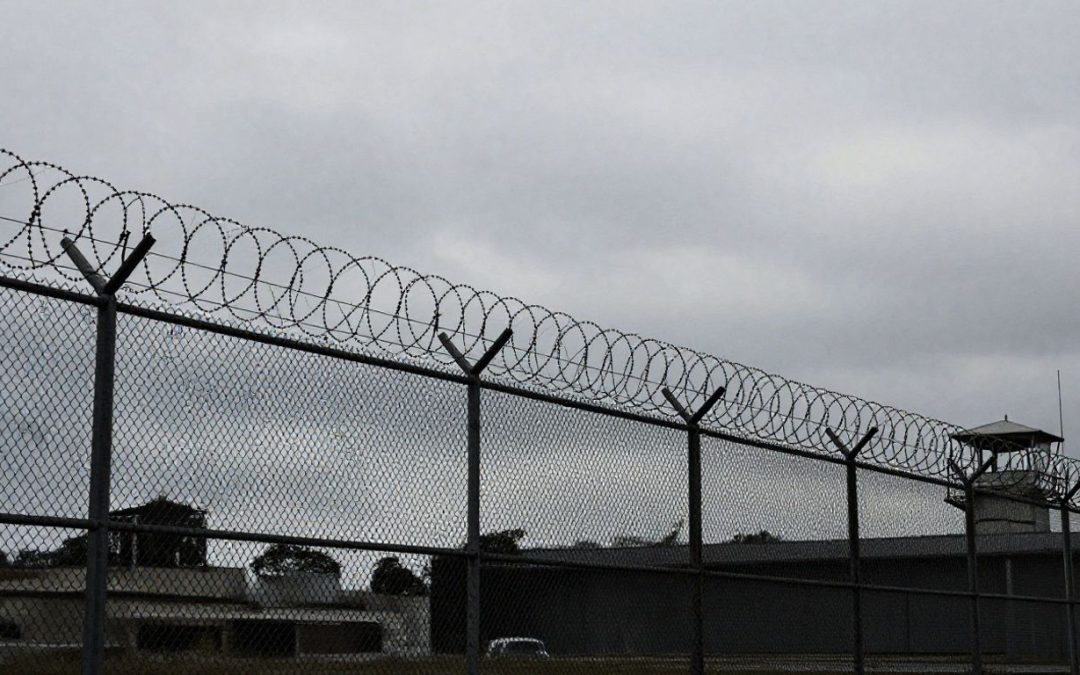
Detention centers can be tough places to deal with, especially when you have a loved one inside. If you’re looking for information about the centro de detencion de inmigrantes en Louisiana, this guide is here to help. We’ll break down what you need to know about visiting, contacting, and understanding the rules at this facility. It’s not always easy to find clear information, so we’ve gathered the basics to make things a bit simpler for you.
Key Takeaways
- To schedule visits with someone at the centro de detencion de inmigrantes en louisiana, you generally need to call a specific phone number and be aware of the visiting hours, which can differ for weekdays and weekends.
- Visitors, especially those under 18, need to be accompanied by an adult and must bring a valid government-issued photo ID to get into the facility.
- Attorneys have specific visiting hours, and legal calls or video conferences can be arranged by contacting the main office or via email, with details about what information to include in your request.
- Legal correspondence can be sent via mail or fax, and while documents are inspected for contraband, they are not read. Electronic communication options might be available under certain circumstances.
- All visitors and their belongings are subject to search, and certain items like weapons or gang-related attire are strictly prohibited to maintain security within the facility.
Understanding the Centro de Detencion de Inmigrantes en Louisiana
Louisiana is home to several immigration detention facilities, and understanding their operations is key for anyone involved with someone being held. These centers are part of a larger network managed by U.S. Immigration and Customs Enforcement (ICE), often with private companies handling the day-to-day management. It’s a complex system, and knowing the specifics of the facilities in Louisiana can make a big difference.
Facility Overview and Operation
These detention centers are designed to hold individuals who are awaiting immigration proceedings, such as asylum hearings or deportation orders. The facilities vary in size and capacity, and their operations are governed by strict federal guidelines. The primary goal is to ensure detainees appear for their immigration court dates. While run by ICE, many of these centers are operated by private contractors, which can sometimes lead to different standards of care and procedures compared to government-run facilities. Information about specific facilities can sometimes be hard to pin down, and the ACLU has described some of these locations as ‘black holes’ due to their isolation.
Location and Accessibility
Immigration detention centers in Louisiana are spread across the state, and their locations can present challenges for visitors. Some are in more rural areas, making them difficult to reach by public transportation. It’s important to know the exact location of the facility where a loved one is being held. For instance, the Central Louisiana ICE Processing Center is located in Basile, while the South Louisiana ICE Processing Center is in Pine Prairie. Planning your visit well in advance is a good idea, especially if you need to travel a significant distance.
Contact Information for the Facility
Getting in touch with a detention center can be a bit of a process. Each facility typically has a main phone number for inquiries. For example, the Central Louisiana ICE Processing Center can be reached at (318) 992-1600, and the South Louisiana ICE Processing Center at (318) 668-5900. These numbers are usually staffed during business hours, typically Monday through Friday, from 8 a.m. to 5 p.m. It’s always best to call ahead to confirm hours and any specific procedures before attempting to visit or get information.
Navigating the specifics of immigration detention can feel overwhelming. Knowing where to find accurate information about the facilities, their locations, and how to contact them is the first step in supporting someone who is detained.
Visitation Policies at the Louisiana Immigration Detention Center
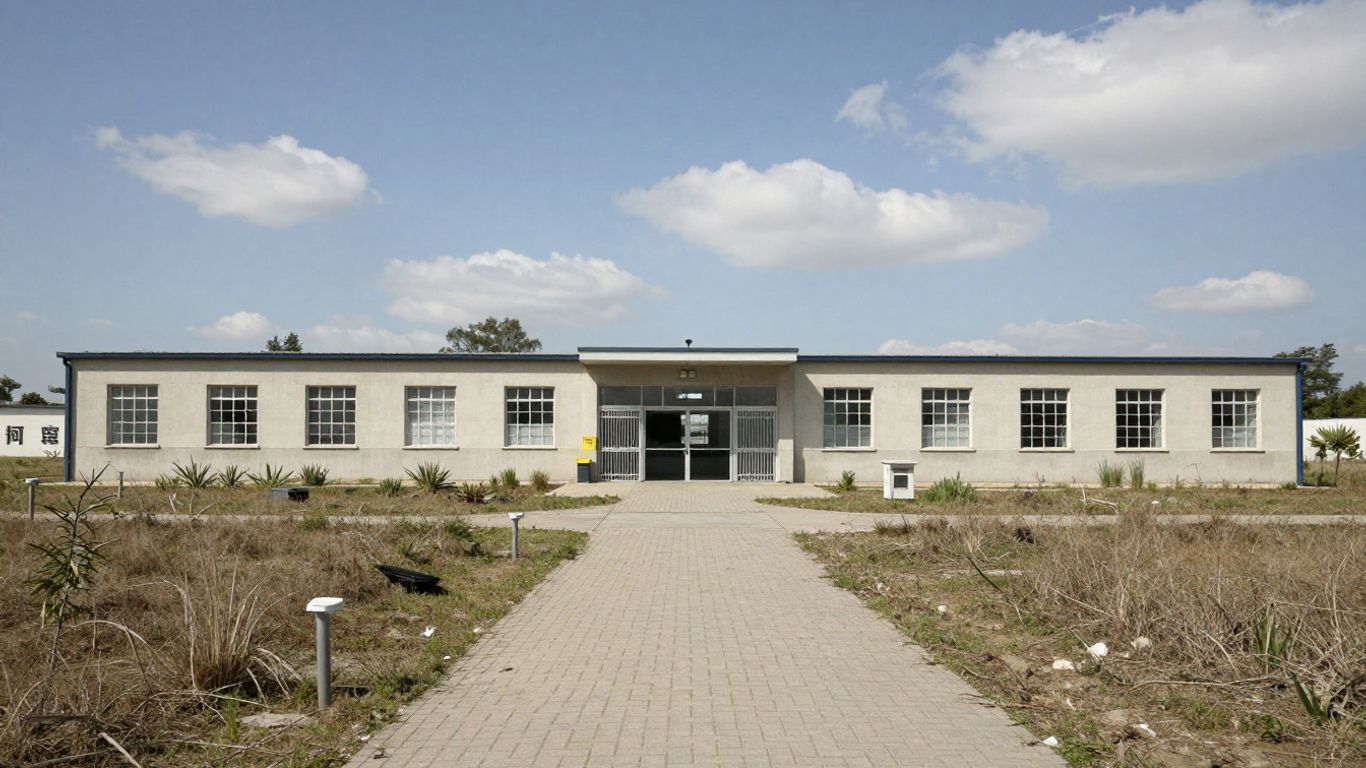
Planning a visit to see a loved one at the Centro de Detención de Inmigrantes en Louisiana can feel a bit overwhelming, but knowing the rules beforehand makes things a lot smoother. It’s really important to check the specific visiting hours and requirements before you head out. Facilities can have different schedules, and you don’t want to make the trip only to find out you missed the window.
Scheduling Friends and Family Visits
To arrange a visit with someone you know who is detained, you’ll typically need to call the facility directly. The number to reach them for scheduling and general information is (225) 655-9013. Visits are generally allowed seven days a week, but the times can vary. Weekdays usually run from 8 a.m. to 4 p.m., while weekends might have shorter windows, often from 12:30 p.m. to 4 p.m. It’s always best to confirm these times when you call.
Guidelines for Minors and Accompanied Visitors
If you’re bringing children to visit, they must be accompanied by a parent or legal guardian who is at least 18 years old. Minors can’t be left alone in any part of the facility, including waiting areas or the visiting rooms. Everyone visiting needs to bring a valid, government-issued photo ID, like a driver’s license or passport. This is a key requirement for entry, so don’t forget it! You’ll also need the detainee’s full name and A-Number to make sure you get to the right person as detailed in facility guidelines.
Identification Requirements for Visitors
When you arrive at the center, you’ll need to present a valid government-issued photo identification. This could be a driver’s license, state ID, or a passport. Along with your ID, you’ll need to know the detainee’s full name and their A-Number. These details are essential for processing your visit and ensuring you can see your friend or family member. Make sure your ID is current and clearly shows your photo and identifying information.
Arriving a bit early for your scheduled visit is a good idea. This gives you time to get through the security checks without feeling rushed. Remember, everyone entering the facility is subject to search.
Here’s a general idea of when visits might be scheduled, but always call to confirm:
- Weekdays: Typically 8 a.m. to 4 p.m.
- Weekends: Often 12:30 p.m. to 4 p.m.
These times are subject to change, so a quick phone call is your best bet to get the latest schedule.
Legal Access and Representation
Getting legal help when you’re detained can feel like a huge hurdle, but it’s super important. The facility has specific ways you can connect with your lawyer or legal aid.
Attorney Visit Hours and Procedures
Lawyers and legal representatives have set times to visit their clients in person. These visits are usually scheduled, but sometimes walk-ins are allowed if there’s an opening. It’s always best to try and schedule ahead of time to make sure you get the time you need. These visits are confidential, meaning a staff member will be nearby for security but out of earshot.
- In-Person Attorney Visits: Generally available Monday through Friday, often from early morning until late evening. Weekend hours might be more limited.
- Scheduling: Legal visits can often be scheduled in advance through online systems or by contacting the facility directly. Some places prioritize scheduled visits over walk-ins.
- Duration: Visits are typically limited to an hour, though longer sessions might be possible with prior approval.
Scheduling Legal Calls and Video Teleconferencing
If an in-person visit isn’t possible, or for quicker check-ins, legal calls and video teleconferences (VTC) are available. These need to be booked in advance, usually at least 24 hours beforehand. You’ll need to provide specific details about yourself and your legal representative.
- Advance Notice: Request VTC or legal calls at least 24 hours in advance.
- Required Information: This typically includes the detainee’s name and alien number, along with proposed times and the attorney’s contact details.
- Confidentiality: Like in-person visits, these sessions are confidential. Only the legal representative and their staff are allowed, not family or friends.
It’s important to remember that recording these legal calls or VTC sessions is strictly forbidden. Violating this rule could lead to losing the privilege of using these communication methods.
Accessing Pro Bono Legal Services
Finding affordable legal help is a big concern for many. The detention center usually posts a list of pro bono (free) legal organizations that serve detainees. It’s up to the detainee to reach out to these groups to set up appointments.
- Finding Resources: Look for posted lists of pro bono legal aid groups within the facility.
- Contacting Services: Detainees are responsible for contacting these organizations directly to schedule consultations.
- Local Support: Organizations like ISLA offer legal services to detained immigrants in Louisiana and can be reached at (504) 265-0416. Other resources, like the Francis Cabrini Immigration Law Center at (337) 477-0683, may also be available.
Communication Methods for Detainees
Staying in touch with loved ones and legal counsel is a big deal when you’re in detention. The Centro de Detención de Inmigrantes en Louisiana offers a few ways for detainees to communicate, but it’s important to know the rules and procedures for each.
Sending Legal Correspondence via Mail
Sending mail is a pretty standard way to keep in touch. Detainees can send out letters, and they can seal them themselves before putting them in a collection spot. Just remember, all mail that comes into the facility gets checked. This is a standard procedure to make sure no contraband gets in. For legal correspondence, it’s a bit different. Lawyers can send legal documents, and these are inspected but not read by facility staff. This ensures that confidential legal matters stay private. The facility has specific email addresses and a fax number for legal representatives to send documents. It’s important to follow their guidelines precisely, including putting "Legal Mail" in the subject line and including the detainee’s full name and A-Number. This helps make sure the mail gets to the right person without delay. You can find more details on how to send legal mail on the ICE website.
Sending Legal Correspondence via Fax
Faxing legal documents is another option, though it comes with its own set of rules. Legal representatives can send faxes to the facility, but they need to include a cover sheet with specific information like the detainee’s name, Alien Number, sender’s return fax number, and the total number of pages. While the facility tries to keep things confidential, using fax might not guarantee the same level of privacy as regular mail. It’s often recommended to use the postal service for really sensitive legal documents. All legal faxes are logged, and a record of successful transmissions is kept. These requests are usually processed during regular business hours, Monday through Friday, excluding holidays.
Electronic Exchange of Legal Documentation
Beyond mail and fax, there are ways to exchange legal documents electronically. Attorneys can request video teleconferencing (VTC) or confidential legal calls with their clients. These need to be scheduled in advance, usually at least 24 hours ahead, by emailing a specific address. The request needs to include the detainee’s name and Alien number, proposed times, the attorney’s contact info, and scans of their credentials. These virtual meetings follow the same rules as in-person legal visits, meaning only legal staff and interpreters are allowed. It’s a way to keep legal communication going, especially when in-person visits are difficult. The facility also has specific email addresses for legal representatives to send documents, which are then inspected but not read before being given to the detainee. This process is handled during business hours, and a confirmation report is kept.
Staying connected is vital for a detainee’s well-being and legal process. Understanding the specific procedures for mail, fax, and electronic communication can prevent delays and ensure that important information reaches its intended recipient.
Here’s a quick rundown of what to keep in mind:
- Legal Mail: Always clearly mark it as "Legal Mail" and include all required detainee information.
- Fax: Use the designated fax number and include a proper cover sheet. Be aware of potential confidentiality limitations.
- Electronic Communication: Schedule VTCs and legal calls in advance and provide all necessary documentation.
- Facility Hours: Remember that processing for electronic communications usually happens during standard business hours, Monday through Friday.
Specialized Visits and Accommodations
Consular Official Visits
When someone is detained, their home country’s consulate might need to get involved. These officials can visit detainees to check on their well-being and provide assistance. It’s not a common visit for most people, but it’s an important service for those who qualify. They usually have specific times they can come, and it’s best to check with the facility administration or the detainee’s case manager for the exact procedures and availability. These visits are typically arranged through official channels, not by the detainee directly requesting them.
Clergy Visits and Arrangements
Religious support is often available. Clergy members from various faiths can visit detainees to offer spiritual guidance and comfort. Similar to consular visits, these arrangements usually need to be scheduled in advance. Detainees can typically submit a request for a clergy visit through the facility’s internal system. The facility will then coordinate with the religious organization to set up a time. It’s a good idea for detainees to know the process for requesting these visits, as it can be a significant source of support during detention.
Visitor Dress Code and Prohibited Items
When you go to visit someone, you’ll need to follow a dress code. Think neat and modest – nothing too revealing or with offensive graphics. They also have a strict list of things you can’t bring in. This usually includes things like cell phones, bags, food, drinks, and anything that could be considered a weapon or contraband. It’s really important to check the specific rules before you go, so you don’t get turned away or cause problems. They want to keep the place secure, and these rules help with that. You’ll likely have to go through a search before you can see your loved one.
Here’s a general idea of what to expect:
- Clothing: Avoid tank tops, shorts, skirts above the knee, ripped clothing, or anything with hoods. Plain, comfortable attire is best.
- Personal Items: Leave purses, backpacks, and electronics in your car. You might only be allowed to bring your ID and car keys.
- Prohibited Items: This list is long and includes things like weapons, drugs, alcohol, tobacco, lighters, and any unauthorized materials.
It’s always a good idea to call ahead and confirm the latest visitor guidelines. Rules can change, and you don’t want to arrive only to find out you can’t bring something in or aren’t dressed appropriately. Being prepared makes the visit smoother for everyone involved.
Search Procedures and Security Measures
When you arrive for a visit, expect to go through security. This is standard procedure at detention centers to maintain safety and order. They might use metal detectors, and sometimes pat-down searches are conducted. It’s important to cooperate fully with the security staff. They are just doing their job to keep everyone safe. If you have any questions about the search process, it’s best to ask the officer on duty before it begins. Remember, they are looking for anything that could be a security risk. Being cooperative and transparent makes the process go much quicker and smoother for you and the facility staff.
Search Procedures and Security Measures
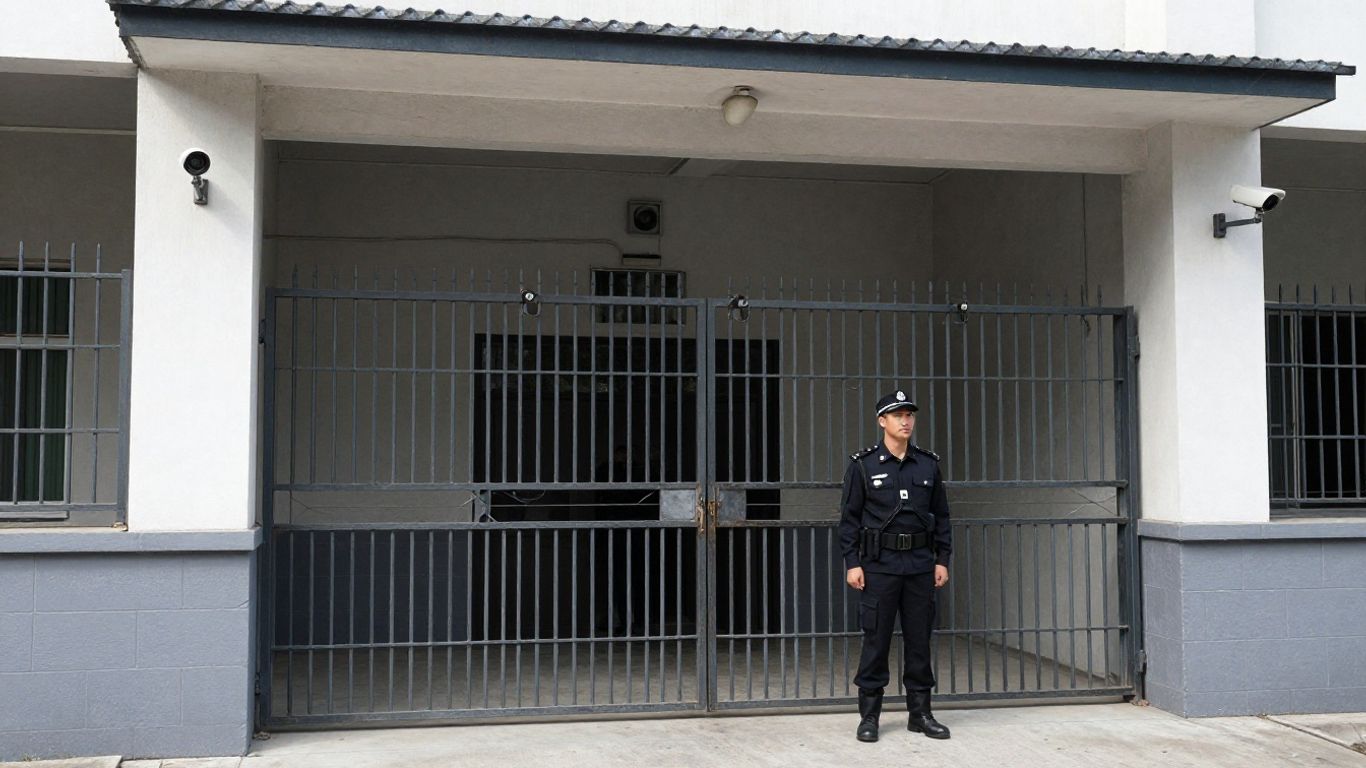
When you visit the Centro de Detención de Inmigrantes en Louisiana, expect security to be pretty tight. It’s all about keeping things safe for everyone inside and out. All visitors are subject to search before and during their visit. This isn’t just a suggestion; it’s a requirement for entry.
Search Protocols for Visitors
So, what does a search actually involve? When you arrive, you’ll likely go through a few steps. This usually includes:
- Pat-down search: A security officer will conduct a physical search of your person.
- Belongings inspection: Any bags or items you’re carrying will be checked.
- Metal scan: You might be asked to walk through a metal detector.
If you refuse to cooperate with these searches, you won’t be allowed into the facility. It’s important to be prepared for this part of the process.
Prohibited Items in Secure Areas
There’s a pretty strict list of things you can’t bring with you. This is to prevent anything from getting into the wrong hands or causing a security issue. Some of the main items you need to leave behind include:
- Firearms or any kind of weapon.
- Electronic devices like cell phones, pagers, or radios.
- Any items you might try to pass to detainees.
Basically, if it could be used as a weapon or a communication device that bypasses official channels, it’s a no-go. You also can’t carry anything into the visitation area that you aren’t supposed to have.
Visitor Cooperation with Searches
Cooperation is key here. The facility staff are trained to conduct these searches professionally, and they expect visitors to be respectful and compliant. If you’re unsure about whether something is allowed, it’s best to leave it at home or in your car. Trying to bring in prohibited items can lead to serious consequences, including being denied entry or facing legal trouble. Remember, these procedures are in place to maintain a secure environment for detainees, staff, and visitors alike. If you need to find out if someone is detained, you can use resources that help locate individuals within the system, which requires specific information like their name and country of origin to locate individuals.
Security measures are in place to maintain order and safety. Visitors are expected to comply with all search protocols and adhere to the list of prohibited items to ensure a smooth and secure visitation experience. Failure to comply can result in denial of entry or further action.
Wrapping Up: What to Remember
So, that’s a look at what you need to know about the immigration detention center in Louisiana. It’s a complicated situation, and getting information can be tough. We’ve covered how to schedule visits with loved ones, how lawyers can connect with their clients, and some of the rules to keep in mind when you go. Remember to check the specific times and requirements before you head over, as things can change. Staying informed is the first step in dealing with these kinds of challenges.
Frequently Asked Questions
How can I schedule a visit with someone at the detention center?
To set up a visit with a friend or family member, you’ll need to call the main office at (225) 655-9013. Visits are available every day of the week. From Monday to Friday, you can visit between 8 a.m. and 4 p.m. On Saturdays and Sundays, visiting hours are from 12:30 p.m. to 4 p.m. Remember, if you’re 18 or older and visiting alone, you’re good to go. However, anyone younger than 18 must be with a parent or guardian.
What identification do I need to bring for a visit?
You’ll need to show a valid government-issued photo ID to get into the facility. Make sure it’s something official, like a driver’s license or a state ID card, that has your picture on it.
How can I contact a lawyer or arrange for legal visits?
Attorneys can visit their clients from Monday to Friday, 8 a.m. to 4 p.m., and on weekends from 12:30 p.m. to 4 p.m. To schedule legal calls or video meetings, you can contact the main office at (225) 655-9013 or email specific addresses like vav1camp57@lasallecorrections.com. Attorneys should include the detainee’s name and alien number in their request.
Can I send mail or faxes to someone in detention?
Yes, you can send legal correspondence via mail or fax. For faxes, use (225) 655-9117. Make sure to clearly mark it as ‘Legal Mail’ and include the detainee’s full name and alien number. The documents will be checked for anything forbidden, but they won’t be read by staff.
Are there specific rules about what I can wear when I visit?
Visitors need to be dressed appropriately. Things like gang colors or symbols are not allowed. It’s best to dress modestly and avoid clothing that could be seen as disruptive or unsafe.
What happens if I’m asked to go through a search?
Everyone entering the facility or visiting areas can be searched. This might include a pat-down, checking your belongings, or using a metal detector. If you refuse a reasonable search, you might not be allowed to visit. Also, remember that weapons and electronic devices like cell phones are not permitted in secure areas.