
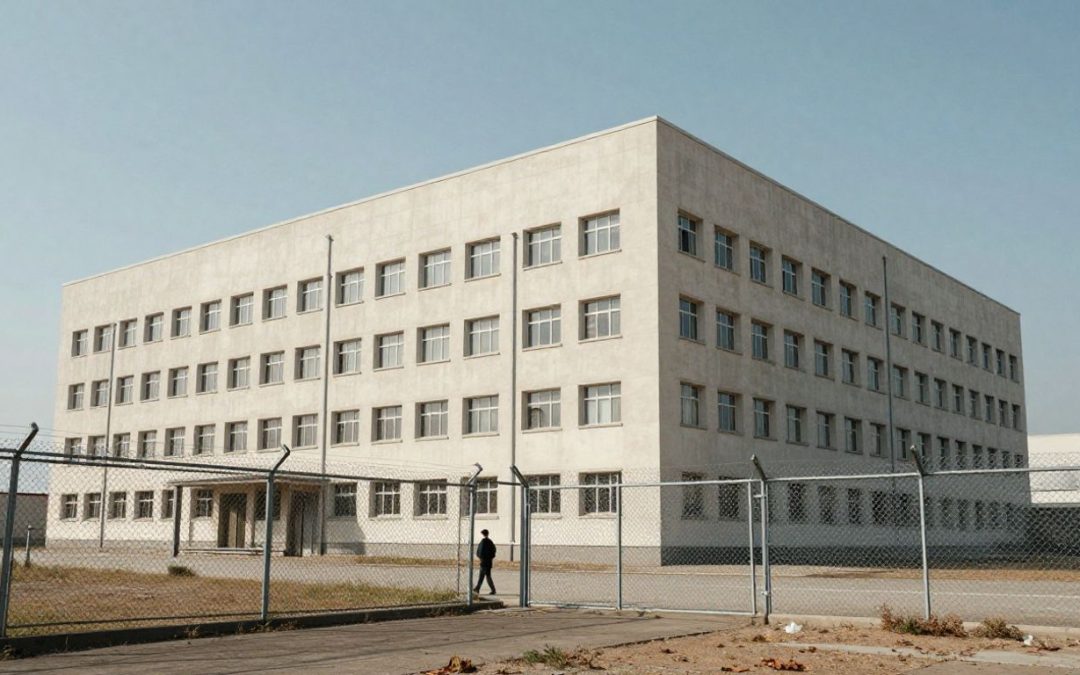
So, you want to know about the Otay Mesa Detention Center. It’s a big place down in San Diego that holds a lot of people going through the immigration system. It’s run by a private company, and honestly, there’s a lot to unpack about what goes on there, from who gets held to what life is like inside. We’ll get into the details, looking at the good, the bad, and the complicated.
Key Takeaways
- The Otay Mesa Detention Center, managed by CoreCivic, is a significant facility in Southern California for detaining non-citizens during immigration proceedings.
- Detainees include asylum seekers and individuals facing immigration law violations, representing a diverse group of people.
- Life inside involves structured daily routines, access to basic needs like medical care, but often faces challenges with isolation and psychological impact.
- The facility has drawn criticism regarding private operation, healthcare quality, sanitation, and issues highlighted during COVID-19 outbreaks.
- Advocacy groups and legal professionals work to monitor conditions, support detainees, and challenge detention policies at the Otay Mesa Detention Center.
Understanding the Otay Mesa Detention Center
Role and Function of the Facility
The Otay Mesa Detention Center is a pretty big deal when it comes to holding people in Southern California who are dealing with immigration issues. Think of it as a central hub for processing and detaining non-citizens while their cases move through the U.S. immigration system. Its main job is to securely house individuals who have crossed the border, are seeking asylum, or are otherwise involved with immigration enforcement. The facility is set up to handle different parts of this process, from when someone first arrives to helping them get to court hearings or preparing them for deportation.
- Processing individuals apprehended near the border.
- Detaining asylum seekers during their application period.
- Holding individuals awaiting immigration court dates.
The center’s operations are tied to federal contracts, mainly with Immigration and Customs Enforcement (ICE). These agreements lay out the rules for how the place should be run, including security and care standards.
Location and Operational Name
This facility is located in the Otay Mesa neighborhood, which is part of the city of San Diego, California. You might also hear it referred to by its operational name: the Otay Mesa Detention and Processing Center. Its location is pretty strategic, being close to the U.S.-Mexico border, which makes it a key spot for managing people who come into the country in that area. Being right there means it plays a significant role in the day-to-day immigration enforcement activities in the San Diego sector.
CoreCivic’s Management of Otay Mesa
It’s worth noting that the Otay Mesa Detention Center isn’t run by the government directly. Instead, it’s managed by a private company called CoreCivic. This means a private corporation is responsible for the day-to-day operations, staffing, and services provided within the facility. This arrangement is common in the U.S. for detention centers and brings its own set of considerations regarding oversight and accountability. The company’s contract with federal agencies dictates how the center functions, including things like the number of people it can hold and the services it must provide. This private management aspect often comes up in discussions about the conditions and practices at the center, and it’s something to keep in mind when looking at how the facility operates.
Who is Detained at Otay Mesa?
So, who exactly finds themselves at the Otay Mesa Detention Center? It’s primarily individuals who are not U.S. citizens and are currently going through the U.S. immigration system. This covers a few different groups, really.
Asylum Seekers and Their Processing
A big part of the population here are asylum seekers. These are people fleeing danger or persecution in their home countries and looking for safety in the United States. They might be held at Otay Mesa while their asylum cases are being reviewed. It’s a waiting game, and for many, it’s a very uncertain time.
Individuals Facing Immigration Law Violations
Another group includes people who have run into trouble with immigration laws. This could be for things like entering the country without authorization or staying longer than their visa allows. Those who have been ordered to leave the country, or deported, might also be housed here before they are transferred or sent back home.
Diversity of Detainee Backgrounds
It’s important to remember that not everyone here is a criminal in the usual sense. Many are just trying to find a better life or escape really tough situations. The center also holds people waiting for their immigration court dates, which can sometimes drag on for months, or even years. The time spent in detention can really vary a lot depending on the case, how busy the courts are, and what’s going on with the individual.
Access to legal help is a big deal in these situations, and while there are ways to get it, detention itself can make it tough for many to find good lawyers.
The people detained at Otay Mesa come from all over the world. Their reasons for migrating are varied, reflecting the global nature of movement today. Understanding this mix of backgrounds is key to seeing the human side of immigration detention and the hurdles faced by everyone involved.
Here’s a quick look at some of the reasons people might be detained:
- Seeking asylum due to fear of persecution.
- Apprehension for violating immigration laws (e.g., unlawful entry, visa overstays).
- Awaiting immigration court hearings or removal proceedings.
- Individuals transferred from other facilities.
If you need to contact someone at the facility, you can call during business hours on weekdays. It’s a place where legal status is being sorted out, and that process can be long and stressful for everyone involved. It’s a reminder that behind the numbers are real people with stories.
Life Inside the Otay Mesa Detention Center
So, what’s it actually like to be inside the Otay Mesa Detention Center? It’s a place where days are highly structured, and routines are pretty rigid. People are generally housed in dorm-style settings, and the schedule dictates everything from waking up to meal times and lights out. Basic needs like food and a place to sleep are met, but the quality and sufficiency of these are often points of discussion and concern.
Daily Schedules and Living Conditions
The daily grind at Otay Mesa follows a set pattern. Wake-up calls usually happen early, followed by breakfast. The rest of the day is a mix of scheduled activities, free time in common areas, and waiting. Living spaces are communal, meaning privacy is limited. While the facility aims to maintain order, conditions can feel cramped, and the constant presence of others can be challenging. The lack of personal space and the sterile environment contribute to a sense of unease.
Access to Medical Care and Legal Services
Getting medical attention is a big deal for detainees. While there are medical staff on-site, reports sometimes surface about delays or difficulties in accessing care when needed. This has been a point of contention, with some individuals recounting experiences of medical emergencies that were not handled promptly. Access to legal counsel is also a major focus. Detainees have the right to meet with their lawyers, and the center facilitates these visits. However, the ability to communicate effectively with legal teams from within the facility can be a hurdle.
Psychological Impact of Detention
Being detained, especially for extended periods, takes a toll. The uncertainty about one’s future, separation from family, and the confined environment can lead to significant stress, anxiety, and depression. Many detainees are trying to navigate complex legal processes while dealing with these emotional challenges. The isolation can be profound, making it hard to maintain connections with loved ones outside. It’s a tough situation, and the mental well-being of those inside is a serious concern that advocacy groups often highlight. Reports from organizations like San Diego County’s lawsuit to gain access point to the need for better oversight of these conditions.
The constant state of waiting and the lack of control over one’s own life can be incredibly draining. Every day is a step towards an unknown outcome, and that uncertainty is a heavy burden to carry.
Controversies and Criticisms Surrounding Otay Mesa
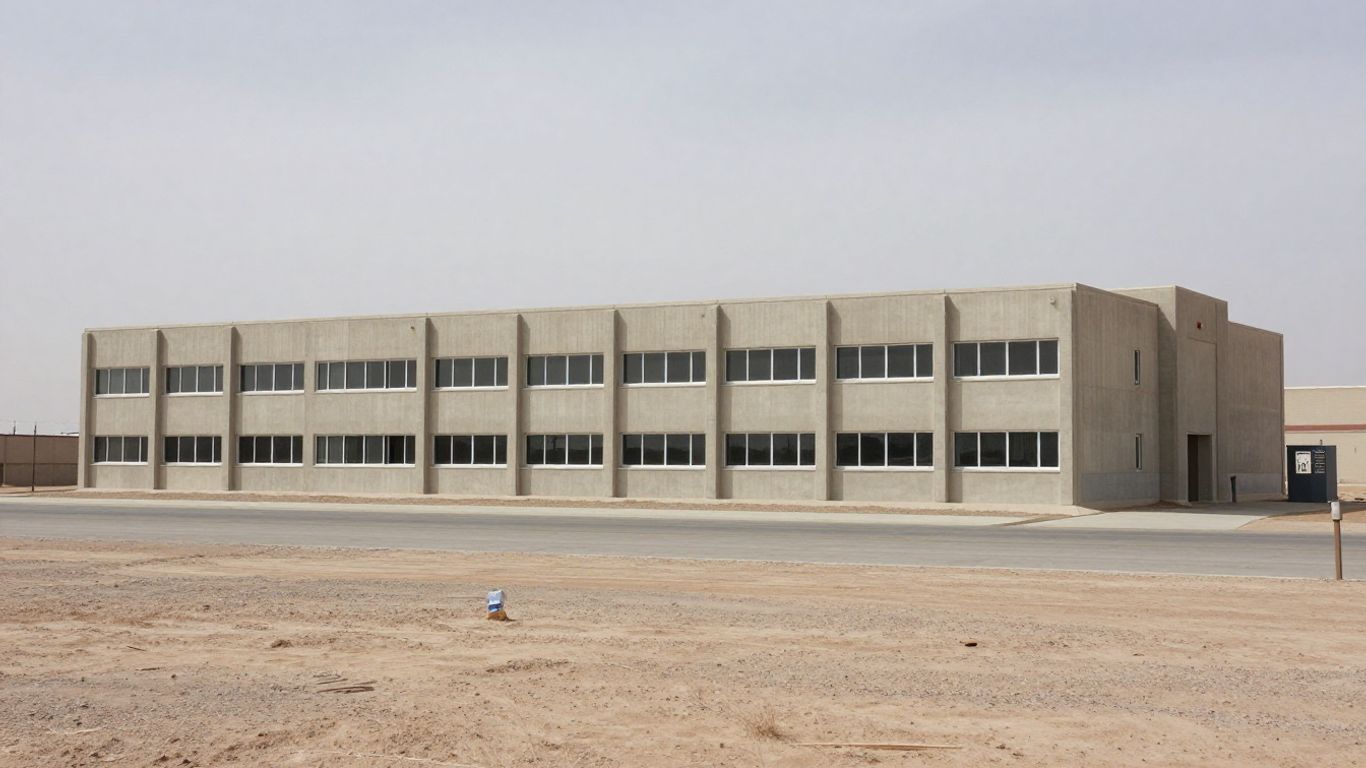
It’s hard to talk about the Otay Mesa Detention Center without mentioning the issues that keep popping up. Since it’s run by a private company, CoreCivic, there’s always talk about whether making money plays too big a role in how people are treated there. Groups focused on human rights and immigrant welfare have pointed out problems with the care provided. They’ve raised flags about not enough medical attention, mental health support that’s lacking, and just generally tough living conditions. There have been reports and even lawsuits about long waits for medical help, places not being cleaned well, and staff sometimes being rough with detainees.
One of the biggest worries has been how COVID-19 spread through the center. Like many places where people are kept close together, Otay Mesa saw outbreaks. This made people nervous about everyone’s health, both those inside and the staff. Critics say it’s tough to keep distance in such a crowded place, making the virus spread faster, and that the response to these outbreaks wasn’t good enough. Another major point of argument is how long people are held and how open the center is about its operations. People can be stuck there for months, sometimes years, while their immigration cases move along. This brings up questions about fairness in the legal process and the human side of being detained for so long. There are also questions about whether detainees can easily get legal help and information. Advocates argue that not having enough access makes it harder for them to properly present their cases.
Concerns Over Private Corporation Operations
The fact that a private company manages Otay Mesa is a big part of the discussion. Critics often suggest that these companies are motivated to keep beds full and cut costs, which might not be good for the people being detained. This setup can lead to situations where the focus shifts from welfare to profit.
Allegations of Inadequate Healthcare and Sanitation
Reports have surfaced detailing issues with both medical care and the cleanliness of the facility. These include claims of delayed treatment for serious conditions and unsanitary living spaces. These conditions can significantly impact the physical and mental well-being of those detained.
Impact of COVID-19 Outbreaks
During the pandemic, Otay Mesa, like many detention centers, experienced significant COVID-19 outbreaks. This raised serious concerns about the ability to implement effective public health measures in a congregate setting. The close quarters made social distancing nearly impossible, leading to rapid spread and putting vulnerable individuals at higher risk.
Transparency and Due Process Issues
Access to the facility for oversight has sometimes been restricted. For instance, San Diego County supervisors were denied access for a planned inspection at one point. This lack of transparency can make it difficult to fully assess conditions and address potential due process concerns for detainees. California House members have also visited the facility, highlighting the attention it receives regarding serious allegations.
The constant cycle of allegations and the challenges in verifying conditions create a difficult environment for detainees and those seeking to advocate for them. It raises questions about the balance between immigration enforcement and basic human rights.
Advocacy and Legal Battles at Otay Mesa
When you look at the issues and the general vibe around the Otay Mesa Detention Center, it’s no surprise that a lot of people and groups are involved in fighting for better conditions and fairer treatment. It’s not just a place where people are held; it’s become a focal point for legal challenges and advocacy efforts.
Role of Advocacy Groups and Lawyers
Lots of organizations and individual lawyers are working hard to make a difference here. They’re often the first line of defense for detainees, trying to make sure their rights aren’t overlooked. This can involve everything from helping people understand the complex immigration laws they’re up against to representing them in court.
- Providing legal counsel and representation.
- Educating detainees about their rights and options.
- Connecting detainees with community resources and support networks.
These dedicated individuals and groups are often the only voice for those who feel unheard within the system.
Monitoring Conditions and Providing Support
Beyond the legal side, many groups focus on what life is actually like inside. They try to keep an eye on the day-to-day happenings, looking for problems with healthcare, food, or how people are treated. It’s about more than just the legal case; it’s about the human experience of being detained. They also work to offer practical help, like sending books or helping families stay in touch.
The constant uncertainty and the sterile environment can take a heavy toll. Many individuals are navigating a system that feels overwhelming, often far from their families and support systems, making the psychological burden of detention a significant concern that advocates strive to address.
Challenging Detention Policies and Practices
There’s a lot of pushback against how immigration detention works, and Otay Mesa is often part of that conversation. Lawsuits are filed, and policy changes are pushed for. The goal is to question why certain people are detained for so long, whether the conditions meet basic standards, and if the whole process is fair. Sometimes, these challenges are about specific incidents, and other times they’re broader critiques of the immigration detention system itself. San Diego County, for instance, has been involved in legal disputes related to the facility’s operations [c091].
Oversight and Accountability at Otay Mesa
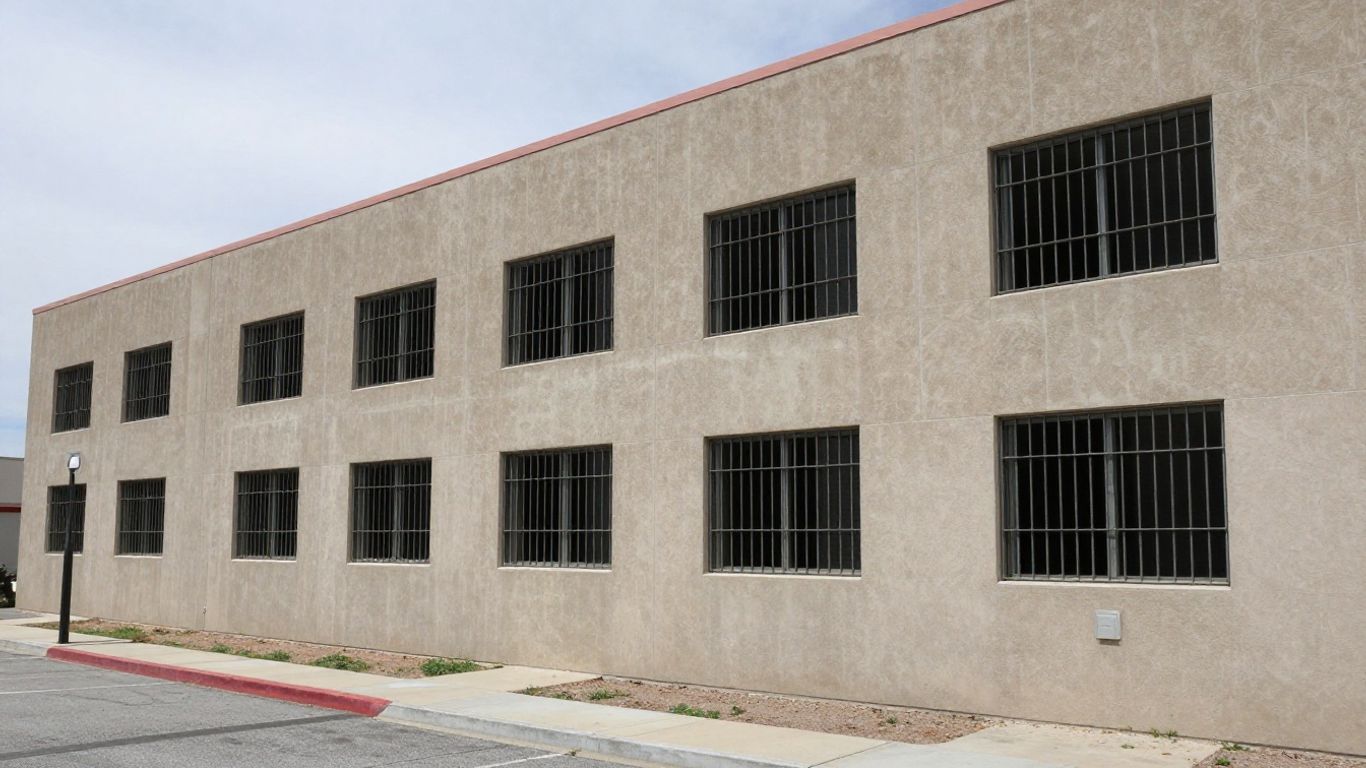
Congressional Oversight Visits
Lawmakers sometimes visit facilities like Otay Mesa to see how things are going. These visits are meant to check on conditions and how people are being treated. However, access isn’t always straightforward. There have been instances where officials, like Senator Padilla, were denied entry by ICE to conduct these checks. This lack of access raises questions about what might be happening behind closed doors.
Addressing Humanitarian Concerns
There’s a lot of focus on making sure the basic needs of people in detention are met. This includes things like food, shelter, and safety. When problems arise, like health issues or unsanitary conditions, there’s pressure to fix them. Sometimes, local governments try to get involved. For example, San Diego County has pursued legal action to get full access for health inspections, showing a push to address these humanitarian issues directly.
Ensuring Basic Human Dignity
Ultimately, the goal is to make sure everyone detained is treated with respect and has their basic rights protected. This involves looking at everything from the quality of medical care to how people are treated by staff. It’s about more than just following rules; it’s about upholding human dignity.
- Regular checks by independent monitors are important.
- Detainees should have clear ways to report problems without fear.
- Staff training on human rights and de-escalation techniques is key.
The operation of detention centers, especially those managed by private companies, requires constant vigilance. Without proper oversight, there’s a risk that conditions can deteriorate, and the well-being of detainees can be compromised. Transparency is not just a buzzword; it’s a necessary component for accountability.
Here’s a look at some of the challenges in getting full access for inspections:
| Entity Seeking Access | Reason for Access | Outcome | Status |
|---|---|---|---|
| Senator Padilla | Oversight Visit | Denied Entry | Ongoing |
| San Diego County Health Officials | Public Health Inspection | Denied Full Access | Lawsuit Filed |
Wrapping Up Our Look at Otay Mesa
So, that’s a look at the Otay Mesa Detention Center. It’s a place that’s clearly complicated, with a lot of moving parts and a lot of people’s lives hanging in the balance. We’ve seen how it functions, who ends up there, and the big questions surrounding its operations and conditions. It’s easy to get lost in the details, but at the end of the day, it’s about people going through tough times while trying to figure out their legal futures. The ongoing work by advocacy groups and legal professionals highlights that there’s a real need to keep an eye on things and push for fairness. Hopefully, this gives you a clearer picture of what’s happening at Otay Mesa and why it matters.
Frequently Asked Questions
What is the Otay Mesa Detention Center?
The Otay Mesa Detention Center, also known as the Otay Mesa Detention and Processing Center, is a facility in San Diego, California. Its main job is to hold people who are not U.S. citizens while they go through immigration court or other immigration processes. It’s run by a private company called CoreCivic.
Who is kept at the Otay Mesa Detention Center?
People detained here are usually non-citizens. This includes those seeking asylum, meaning they are looking for safety from their home country. It also includes people who have broken immigration rules, like entering the country without permission or staying longer than their visa allows. Some might be waiting to be sent back to their home country.
What is daily life like for detainees?
Life inside is structured with a set daily schedule. Detainees live in dorms and are provided with meals and a place to sleep. They have access to medical care, but how good it is can be a problem. Contact with family and friends can be hard because of rules on phone calls and visits, which can make people feel very alone.
Are there problems or criticisms about the center?
Yes, the center has faced criticism. Because it’s run by a private company, people worry that making money is more important than the well-being of detainees. There have been complaints about not enough good medical care, cleanliness issues, and overcrowding. COVID-19 outbreaks have also been a major concern.
What is being done to help detainees or fix problems?
Many groups, like lawyers and community organizations, work to help detainees. They try to make sure people have legal help, check on the conditions inside, and support detainees. These groups also challenge the rules and practices of detention centers. Sometimes, government officials visit to check on things.
Can people get legal help while detained?
Yes, efforts are made to allow detainees to see lawyers and get legal advice. However, getting good legal help can be difficult because of the challenges of detention, like limited communication and the stress of the situation. Advocacy groups often help connect detainees with legal services.