
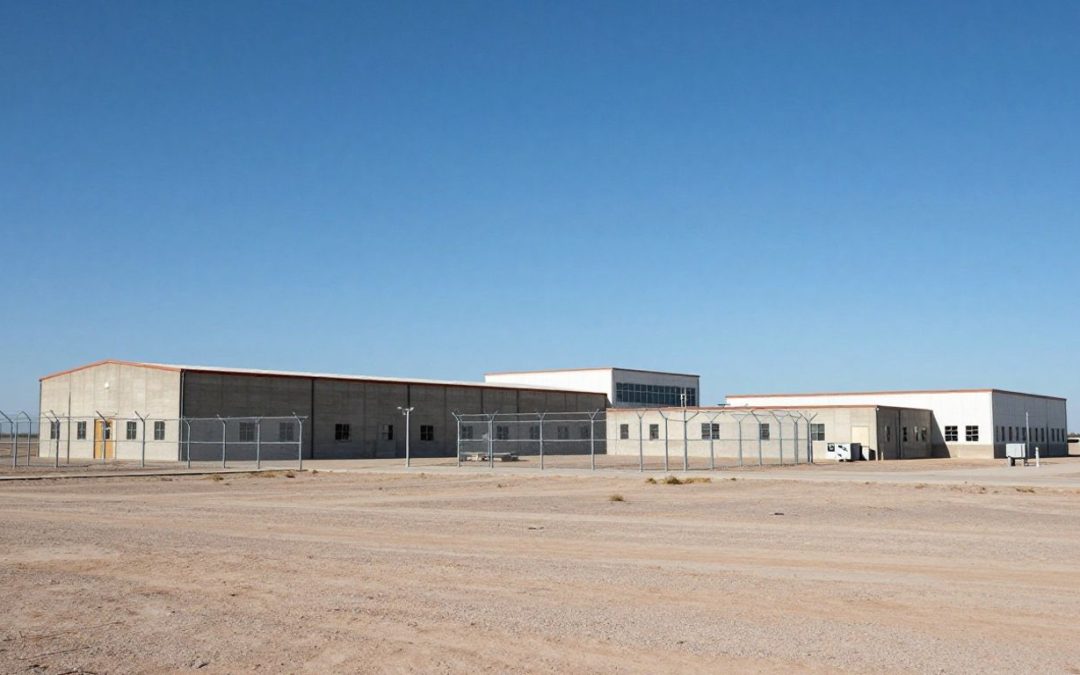
Thinking about the immigration detention centers in Texas, or centros de detencion ice en texas as they’re known, can bring up a lot of questions. It’s a complex system, and understanding where these facilities are and how they operate is pretty important for folks trying to keep tabs on loved ones or just get a clearer picture of the whole process. This article aims to lay out the basics, from the different ICE offices involved to what happens to individuals once they’re in custody. We’ll try to make it as straightforward as possible.
Key Takeaways
- ICE, or Immigration and Customs Enforcement, handles the detention and removal of individuals within the U.S., which is different from Customs and Border Protection (CBP) that focuses on border security.
- Texas has several key ICE field offices, including those in Dallas, Houston, San Antonio, and El Paso, each overseeing operations in different parts of the state.
- There are specific detention facilities in Texas, such as the Central Texas Detention Facility and the Bluebonnet Detention Facility, among others, where individuals are held.
- The process for detained immigrants involves initial detention, potential bond eligibility (with different types of bonds available), and formal deportation proceedings, all of which include rights to due process.
- Finding information about a detained individual can be done through the ICE Detainee Locator online, or by contacting the relevant ICE field offices, though there are specific procedures for minors and recent detainees.
Understanding ICE Detention Centers in Texas
Overview of Immigration Detention in Texas
Immigration detention in Texas is a complex system. It involves holding individuals who are not U.S. citizens while their immigration cases are processed. This can include people seeking asylum, those who have entered the country without authorization, or individuals with prior immigration violations. It’s important to remember that detention is not the same as criminal incarceration; it’s a civil process related to immigration status. Texas, being a major border state, has a significant role in this system, with numerous facilities housing detainees.
The Role of ICE Enforcement and Removal Operations
US Immigration and Customs Enforcement (ICE) is the agency primarily responsible for enforcing immigration laws within the United States. A key part of their work is carried out by the Enforcement and Removal Operations (ERO) directorate. ERO officers are tasked with identifying, arresting, and removing individuals who are in the country unlawfully. This includes managing detention facilities and overseeing the deportation process for those ordered removed from the U.S. They work to maintain public safety and homeland security by enforcing federal immigration laws.
Distinguishing ICE from Customs and Border Protection
It’s easy to get confused between ICE and Customs and Border Protection (CBP), but they have different jobs. CBP, which includes the Border Patrol, focuses on the physical borders of the U.S. Their main tasks are inspecting people and goods coming into the country at ports of entry, preventing illegal crossings, and patrolling border areas. ICE, on the other hand, operates more internally. ICE handles arrests, detention, and deportations of individuals already within the United States. Think of CBP as guarding the gates, and ICE as managing the people inside.
Here’s a quick breakdown:
- CBP: Focuses on border security, inspections at ports of entry, and patrolling border regions.
- ICE: Focuses on interior enforcement, including arrests, detention, and removal of individuals within the U.S.
Understanding these distinctions is key to grasping the different stages of immigration enforcement in the United States.
Key ICE Field Offices Serving Texas
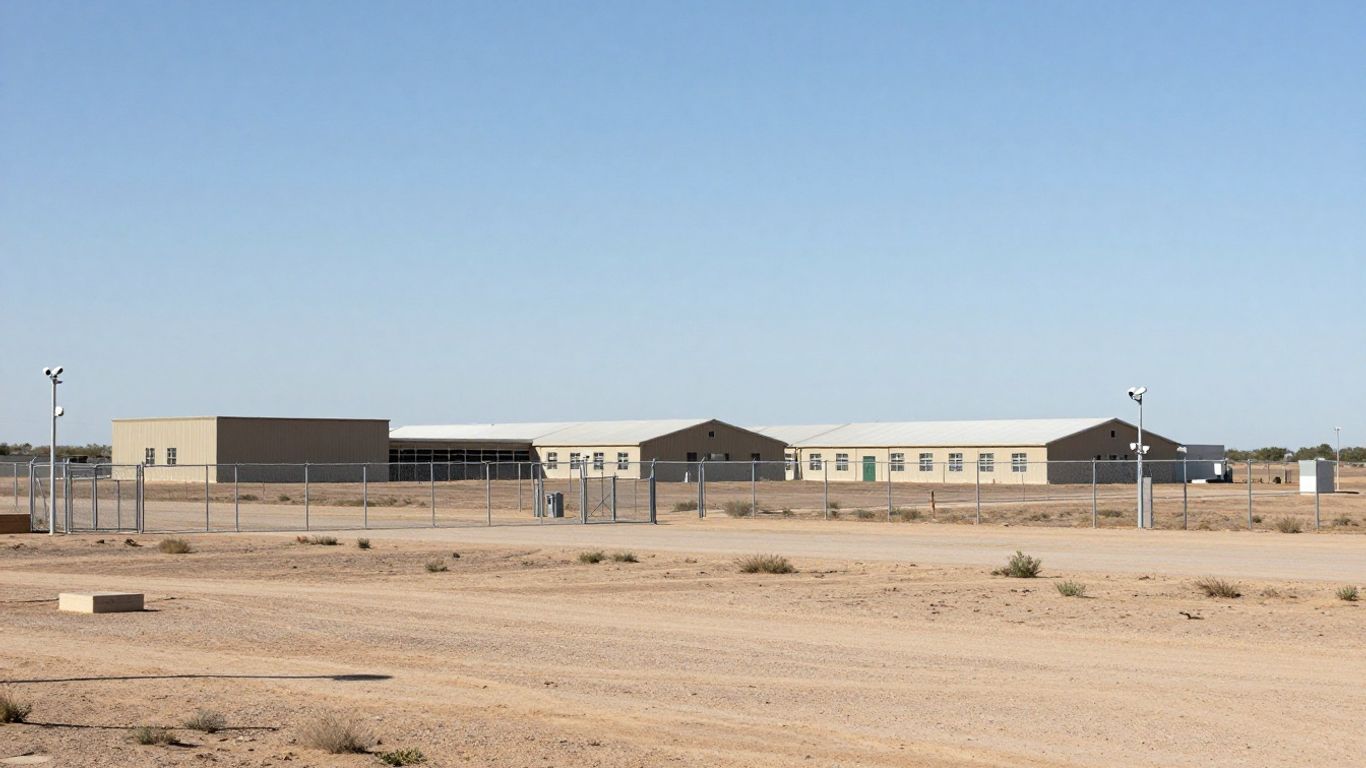
Texas is a big state, and Immigration and Customs Enforcement (ICE) divides its operations across several key field offices to manage immigration matters effectively. These offices are the main points of contact for many immigration processes within the state, from enforcement to detention oversight. Understanding which office covers which area can be helpful if you need to interact with ICE regarding a detained individual or other immigration-related issues.
Dallas Field Office Operations
The Dallas Field Office handles immigration enforcement and removal operations for North Texas and also extends its reach into Oklahoma. This office is a central hub for many activities related to immigration enforcement in its designated region. If you’re in North Texas and need to connect with ICE regarding enforcement matters, this is the office to be aware of. They are located at 8101 N. Stemmons Freeway in Dallas. For general inquiries, you can reach out to them via email at Dallas.Outreach@ice.dhs.gov.
Houston Field Office Responsibilities
Serving the southeastern part of Texas, the Houston Field Office is responsible for a significant portion of the state’s immigration enforcement activities. This includes managing detention cases and coordinating removals within its jurisdiction. The sheer size of the Houston metropolitan area and its surrounding regions means this office plays a vital role in ICE’s operations in Texas. Their main phone number is (281) 774-4816.
San Antonio Field Office Reach
The San Antonio Field Office covers central Texas, acting as a key point of contact for immigration matters in this large and diverse area. This office is involved in various aspects of ICE’s mission, including detention and removal operations. It’s important to know that the Central Texas Detention Facility, a significant site, is located in San Antonio, making this field office particularly relevant for those dealing with detention issues in the region. You can contact them at (210) 283-4750.
El Paso Field Office Area
Covering West Texas and extending into New Mexico, the El Paso Field Office is strategically located to manage immigration operations in a border-heavy region. Given El Paso’s proximity to the border, this office is deeply involved in enforcement and removal activities. They are situated at 11541 Montana Avenue, Suite E, El Paso, TX 79936. For outreach questions, their email is ElPaso.Outreach@ice.dhs.gov. This office is particularly important for understanding border-related immigration enforcement in West Texas.
Here’s a quick look at the general areas covered:
- Dallas Field Office: North Texas and Oklahoma
- Houston Field Office: Southeast Texas
- San Antonio Field Office: Central Texas
- El Paso Field Office: West Texas and New Mexico
It’s worth noting that ICE also has a Harlingen Field Office that covers South Texas, though it’s not detailed in this specific breakdown. Knowing these regional divisions helps in understanding the scope of ICE’s presence across the state. If you need to find out if someone is in ICE custody, using the ICE Detainee Locator is often the first step, but contacting the relevant field office can provide further assistance, especially for recent detainees or minors.
Locations of Immigration Detention Facilities in Texas
When we talk about immigration detention in Texas, it’s important to know where these facilities are. Texas has a number of places where individuals are held by Immigration and Customs Enforcement (ICE) while their immigration cases are processed. These aren’t always massive, purpose-built centers; sometimes, they can be county jails or private facilities contracted by ICE.
Central Texas Detention Facility
The Central Texas Detention Facility is a significant site for ICE operations in the region. Located in San Antonio, it serves as a key point for holding individuals in immigration proceedings. It’s important to remember that ICE uses a mix of facilities, and this is one of the main ones.
Bluebonnet Detention Facility in Anson
Another facility that comes up is the Bluebonnet Detention Facility, situated in Anson, Texas. This location, like others, plays a role in the broader network of immigration detention across the state. The specifics of how many people are held here at any given time can fluctuate based on operational needs and caseloads.
Other Texas Detention Sites
Beyond these named facilities, Texas has a wider array of locations where ICE detains individuals. This can include:
- County correctional facilities that have contracts with ICE.
- Private detention centers operated by private companies.
- Other ICE-run facilities spread across the state.
It’s a complex system, and the exact number and types of facilities can change. For a visual representation of these locations and how they’ve been used over time, you can explore an interactive map of immigration detention centers in Texas.
The landscape of immigration detention in Texas is dynamic. Facilities can range from large, dedicated centers to smaller, contracted spaces within existing correctional systems. Understanding these locations is a first step in grasping the scope of immigration enforcement in the state.
The Process for Detained Immigrants
Initial Detention and ICE Transfer
When someone is apprehended by law enforcement for immigration-related reasons, the initial steps can be a bit confusing. Often, a local agency might hold the individual for up to 48 hours. During this time, U.S. Immigration and Customs Enforcement (ICE) is notified. If ICE decides to pursue detention, they will issue a detainer, which allows the local agency to hold the person longer while ICE arranges for their transfer to an ICE facility. This transfer is a key part of the process, moving the individual from local custody into the federal immigration detention system. It’s important to know that this doesn’t automatically mean deportation; it’s the start of a legal process.
Bond Eligibility and Types
Once in ICE custody, a bond might be set. This is essentially a financial guarantee that the individual will appear for their immigration court hearings. The amount can vary quite a bit, sometimes ranging from $1,500 to $25,000, depending on the specifics of the case and the individual’s background. However, not everyone is eligible for a bond. ICE can deny bond if they believe the person is a flight risk or poses a danger to the community. If a bond is granted, there are generally two main types:
- Delivery Bond: This allows the individual to be released from detention while awaiting their court dates. They can return home, consult with legal counsel, and be with their families, provided they attend all scheduled hearings.
- Voluntary Departure Bond: This is typically granted by an immigration judge. It allows the individual to leave the country on their own within a set period, at their own expense.
Deportation Proceedings and Due Process
After being taken into ICE custody, a case is filed for immigration court. This marks the beginning of formal deportation proceedings. It’s a common misconception that being caught automatically leads to deportation. In reality, individuals have the right to due process, which includes the right to a fair hearing before an immigration judge. This process can take time, and during this period, the individual might remain in detention or be released on bond. The goal is to ensure that immigration laws are applied fairly and that individuals have a chance to present their case. Understanding the steps involved can be really helpful, and seeking advice from an immigration lawyer early on can make a big difference in safeguarding one’s rights throughout the process. This article explains the process.
The immigration detention system is complex, and navigating it can be overwhelming for both detainees and their families. Knowing the basic steps, from initial transfer to bond hearings and court proceedings, can help demystify the experience and highlight the importance of legal representation.
Duration and Conditions of Detention
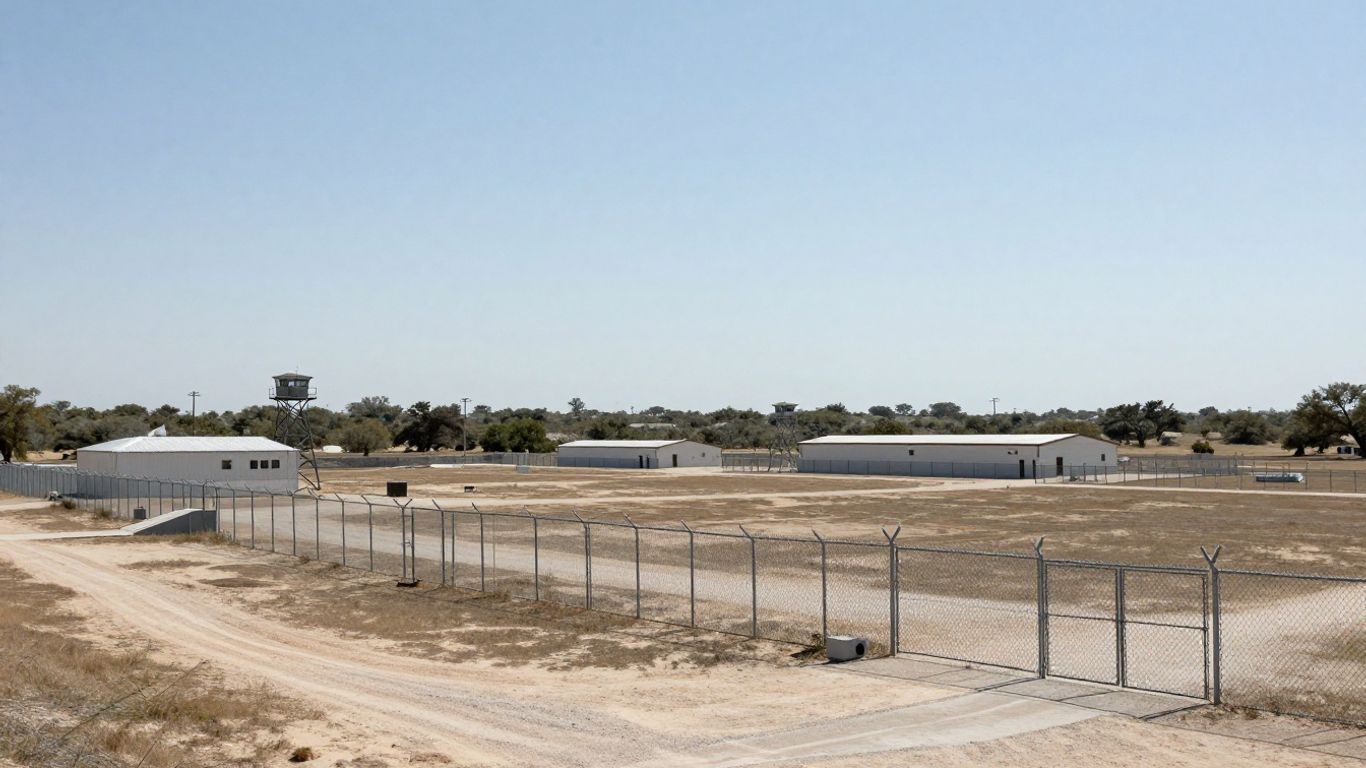
Average Length of Detention
So, how long do folks actually stay in ICE detention in Texas? It’s not a simple answer, really. While ICE aims to process cases efficiently, the reality can be quite different. Some individuals might be released relatively quickly, especially if they have a strong case for asylum or are granted bond. Others, however, can find themselves in detention for months, or even longer. It really depends on a lot of factors, like the complexity of their immigration case, court backlogs, and whether they have legal representation. It’s not uncommon for people to be held beyond what might seem like a reasonable time, which can be really tough on them and their families.
Factors Influencing Detention Length
Several things can really stretch out how long someone stays locked up. For starters, the type of immigration case matters. Asylum claims, for example, can take a long time to process. Then there’s the court system itself; if immigration courts are swamped, cases move slower. Having a lawyer can make a big difference, as legal representation often helps move things along more smoothly. On the flip side, if someone is considered a flight risk or a danger, ICE might keep them in custody longer, and bond might be denied. It’s a complicated dance of legal processes and individual circumstances.
- Case Complexity: More intricate cases naturally take longer to resolve.
- Court Dockets: Overloaded immigration courts mean slower processing times.
- Legal Representation: Having an attorney can significantly impact the pace of a case.
- Detainee’s Status: Factors like flight risk or perceived danger can influence detention duration.
- ICE Policies: Shifting policies or priorities within ICE can also affect how long people are held.
The conditions inside these facilities are a major concern for many. Reports have surfaced about individuals experiencing sleepless nights and prolonged confinement, sometimes extending well beyond typical timeframes. These situations can take a serious toll on a person’s well-being.
Visitation Policies and Restrictions
Keeping in touch with loved ones is super important for anyone in detention. ICE facilities in Texas have specific rules about visits. Generally, there are set hours for family and friends to visit, and these can vary depending on the facility and the detainee’s classification. You usually need to arrive a bit before your scheduled time to get through security. Adults need a valid government ID, and kids have to be with an adult. Attorneys have different visiting hours, usually more flexible, to meet with their clients. It’s always a good idea to call the specific facility ahead of time to confirm the latest visitation hours and any current restrictions, as things can change, especially with health concerns or operational issues. You can find information about ICE detention facilities and their general operations, but specific visitation details are best confirmed directly with the location.
Finding Information on Detained Individuals
It can be really stressful when you need to find out where a loved one is being held by Immigration and Customs Enforcement (ICE) in Texas. Figuring out their location and status is often the first step in understanding their situation. Thankfully, there are a few ways to get this information, though it sometimes takes a bit of digging.
Using the ICE Detainee Locator
The most direct way to check if someone is in ICE custody is by using the online ICE Detainee Locator tool. This system is designed to help you find individuals who are currently detained by ICE or have been held by U.S. Customs and Border Protection for more than 48 hours. To use it effectively, having some specific details about the person can speed things up. The best information to have includes:
- Alien Number (A-Number): This is a unique identifier for non-citizens in the United States. You might find it on immigration documents like a green card or work permit.
- Country of Birth: Knowing where the person was born is also a key piece of information.
- Date of Birth: This helps narrow down the search.
If you don’t have the Alien Number, you can still try searching using the person’s full name and date of birth, along with their country of birth. Keep in mind that this tool might not immediately show information for individuals who have just been detained or for minors under 18 years old. For these specific cases, you might need to try other methods.
It’s important to remember that immigration detention is different from criminal incarceration. People are held because of their immigration status, not necessarily as punishment for a crime. This distinction can be confusing, and understanding it is part of navigating the process.
Contacting Field Offices for Assistance
If the online locator doesn’t provide the information you need, or if you’re dealing with a minor or a very recent detainee, reaching out directly to an ICE Enforcement and Removal Operations (ERO) field office is the next best step. Texas has several ERO field offices that cover different parts of the state. Each office handles inquiries for their specific region. You can find contact details for offices like the Dallas, Houston, San Antonio, and El Paso field offices on the ICE website. They can often provide more specific guidance or confirm a detainee’s location when the online tool isn’t sufficient. Calling the relevant field office directly can sometimes yield faster results for urgent inquiries.
Information for Minors and Recent Detainees
Finding information about minors or individuals who have been detained very recently can be a bit trickier. The online locator might not have their details immediately available. In these situations, contacting the nearest ICE ERO field office is usually the most effective approach. They are equipped to handle these more sensitive cases and can provide information or direct you to the appropriate resources. It’s also worth noting that if you are trying to locate a minor, there are specific protocols in place, and ICE has resources dedicated to family unity and the protection of children. For legal representatives, there are also specific channels for communication and information gathering, often involving direct contact with facility administrators or designated legal liaison officers.
Wrapping Up: What to Know About ICE Detention in Texas
So, we’ve looked at where ICE detention centers are in Texas and a bit about how they work. It’s a complicated system, and understanding the basics, like the different types of facilities and what happens when someone is detained, can be a lot. Remember, there are specific field offices across the state that handle different areas, and knowing this might help if you need to find information. It’s also important to know that even though someone is detained, they still have rights and due process. This whole topic can be confusing, and for families trying to figure things out, it’s often best to get advice from someone who really knows immigration law. This article just scratches the surface, but hopefully, it gives you a clearer picture of what’s going on with ICE detention in Texas.
Frequently Asked Questions
What is ICE and what does it do in Texas?
ICE stands for Immigration and Customs Enforcement. Its main job is to enforce U.S. immigration laws inside the country. This includes finding, arresting, and sometimes removing people who are in the U.S. without permission or who have broken immigration rules. They also work to prevent illegal movement of money, goods, and people.
How many immigration detention centers are there in Texas?
Texas has a significant number of places where immigrants are held. This includes detention centers, prisons, and county jails that work with ICE. Reports mention around 26 detention centers, plus other facilities.
How long can someone be held in an ICE detention center?
The time someone spends in detention can vary a lot. Sometimes, if an immigrant is caught, they might be held for up to 48 hours by local police before ICE takes them. Once in ICE custody, a bond is usually set. However, if someone is seen as a danger or likely to run away, they might be held for much longer, sometimes for months or even years, depending on their immigration case.
What happens if an immigrant is caught by ICE?
When an immigrant is taken into custody by ICE, they usually go through a process. ICE might file a detainer, which is a request to hold the person. A bond amount is often set, which allows the person to be released while their case is ongoing, as long as they attend all their court dates. If they don’t have a bond or can’t pay it, they stay in detention. The process then moves towards immigration court hearings.
How can I find out if someone is being held in an ICE detention center?
You can use the ICE Detainee Locator online. This tool helps you search for individuals in ICE custody. You’ll need some information like their name, country of birth, and possibly their Alien Number. If you can’t find them there, especially if they are a minor or recently detained, you might need to contact the closest ICE Enforcement and Removal Operations field office.
What are the rules for visiting someone in an ICE detention center?
Visiting rules can change, often because of health concerns like COVID-19 or other operational issues. It’s really important to call the specific detention facility ahead of time to check the current visiting hours and any restrictions. Generally, visits are non-contact, and there are strict rules about what you can bring and how you must act during the visit.