

Thinking about seeking safety in the US and wondering about the path for Mexicans? It’s a big step, and understanding the process, especially in Mexico before you even get to the US, is pretty important. This guide touches on what you need to know about asylum, the rules, and some of the realities people face. We’ll cover the basics of Mexico’s system and what to expect, aiming to make things a bit clearer.
Key Takeaways
- Mexico has laws for people seeking asylum, including rights like not being sent back to danger (non-refoulement).
- Applying for asylum in Mexico involves specific steps, often with the Mexican Commission for Refugee Assistance (COMAR), and sometimes people are held in detention while their case is reviewed.
- Asylum seekers in Mexico can face challenges like difficult detention conditions, trouble getting legal help, and delays in their cases.
- Special attention is given to children, with rules about their detention and ensuring their best interests are considered in asylum cases.
- Family reunification is a right, but Mexico’s policies sometimes put financial requirements on it, which critics say goes against human rights principles.
Understanding Asylum in Mexico

Mexico has a legal system in place to help people fleeing persecution in their home countries. It’s not always a straightforward path, but knowing the basics can make a big difference. The country’s laws are designed to offer protection to those who qualify.
Mexico’s Legal Framework for Asylum Seekers
Mexico’s approach to asylum is laid out in its 1980 Refugee Law, which has been updated over time. This law basically says that if you’re in Mexico and can’t go back to your country because you fear being harmed or persecuted, you might be eligible for protection. The core idea is to provide safety to those who need it. It’s important to know that you generally have to be physically in Mexico to start the asylum process; you can’t apply from outside the country. This means making your way to Mexico first is a necessary step for many.
Key Rights and Guarantees for Asylum Applicants
Once you’ve applied for asylum, you have certain rights. The law aims to prevent discrimination and considers the best interests of children, which is a big deal. It also talks about keeping families together and keeping your information private. One really important point is that entering Mexico without the right papers, if you’re doing so to seek asylum, isn’t treated as a crime. This is a protection that many people find reassuring when they arrive.
- Non-discrimination
- Best interests of the child
- Protection of the family unit
- Confidentiality
- Non-criminalization of irregular entry for asylum seekers
The Principle of Non-Refoulement in Mexican Law
This is a big one, and it’s called "non-refoulement." Basically, it means Mexico promises not to send you back to a country where you would face danger or persecution. It’s a fundamental protection for anyone seeking asylum. This principle is written into Mexican law, offering a safeguard against being returned to harm’s way. It’s a promise that Mexico takes seriously when it comes to people seeking safety within its borders.
Navigating the Asylum Process
So, you’ve decided to seek asylum in Mexico. It’s a big step, and understanding how the process works is key. It’s not always straightforward, and there can be a lot of waiting involved. Generally, there are two main ways to start your asylum claim in Mexico.
Applying for Asylum Directly with Mexican Authorities
One way is to apply directly with the immigration authorities. This often means you’ll be detained while your case is being processed. It’s important to know that this detention can sometimes go on for a long time, potentially as long as it takes for your case to be fully resolved. Some people have been held for months.
- You have the right to be informed about why you’re being detained.
- Detainees should be told about their rights, including the right to seek asylum.
- You should have access to medical care and legal advice.
While the law says you should be informed of your rights, many people report not getting clear information about why they are detained or what their options are. This lack of clarity can make an already stressful situation even harder.
The Role of the Mexican Commission for Refugee Assistance
The other main route is to apply through the Mexican Commission for Refugee Assistance (COMAR). This is often seen as the more formal route. When you apply this way, you might not be detained immediately, but the process can still be lengthy. COMAR is the government body responsible for reviewing asylum claims. They look at each case individually to decide if someone meets the criteria for refugee status.
Potential for Extended Detention During the Process
It’s really important to be aware that detention can be a significant part of the asylum process in Mexico. The law allows for detention while your immigration status is being sorted out. If you appeal a decision on your case, this can lead to even longer periods of detention. There isn’t always a clear maximum time limit set for how long someone can be held, especially if there are appeals involved. This uncertainty is a major concern for many asylum seekers. The system isn’t always quick, and sometimes people are waiting for resolutions for a long time, especially in places like Tapachula near the southern border. It’s a situation that many organizations are watching closely, hoping for better alternatives to detention.
Here’s a quick look at some rights while in detention:
| Right |
|---|
| Be informed of reasons for detention |
| Access to legal counsel |
| Receive medical attention |
| Contact family |
| Request voluntary repatriation |
Remember, understanding these pathways and potential challenges is the first step. If you’re considering applying for asylum in the US, you’ll eventually need to file Form I-589, but first, you need to understand your options and rights in Mexico.
Challenges Faced by Asylum Seekers
So, you’re looking into asylum in Mexico, and it’s not always a walk in the park. Many people find themselves in tough spots while waiting for their cases to be sorted out. It’s a situation that can really test your patience and your spirit.
Detention Conditions and Concerns
One of the biggest hurdles is detention. While Mexican law says people should be informed of their rights and have access to medical care and legal advice, the reality on the ground can be quite different. Reports from various groups suggest that many detainees aren’t properly told why they’re being held or what their rights are. Sometimes, this information isn’t given in writing, or even verbally, which makes things even more confusing. The system often treats detention as a default, rather than a last resort. This can lead to overcrowding and a general sense of unease within the facilities.
Access to Legal Assistance and Guardianship
Getting good legal help is another major challenge. While the law mentions the right to legal advice, actually getting it can be difficult. For unaccompanied children, the need for a legal guardian is clear, but ensuring this happens smoothly is not always the case. Without proper legal support, understanding the asylum process and making your case effectively becomes incredibly hard. It’s a complex system, and trying to figure it out alone, especially when you’re already stressed and uncertain about your future, is a huge ask.
Delays and Lack of Information in Asylum Procedures
Waiting is a big part of the asylum process, and in Mexico, these waits can stretch on for a long time. This is especially true when asylum procedures are slowed down or when deportations become complicated. Many people end up waiting in cities near the border, like Tapachula, for months or even years. This prolonged uncertainty, coupled with limited information about case progress, adds a heavy burden. It’s tough to plan anything when you don’t know when or if your case will be resolved. This situation can feel like being stuck in limbo, and it’s a significant stressor for asylum seekers trying to rebuild their lives.
The journey to safety is often fraught with unexpected obstacles. While the intention of asylum laws is to provide protection, the practical application can create significant difficulties for those seeking refuge. These challenges can range from the physical conditions of detention to the bureaucratic maze of legal processes, all of which can impact a person’s well-being and their ability to successfully claim asylum.
Here’s a quick look at some common issues:
- Information Gaps: Not always receiving clear, written information about rights and procedures.
- Lengthy Waits: Cases taking much longer than anticipated, leading to prolonged uncertainty.
- Access Barriers: Difficulty in accessing legal aid and other necessary support services.
These issues can make the already difficult process of seeking asylum even more daunting. It’s important to be aware of these potential challenges when considering seeking asylum in Mexico.
Specific Considerations for Children
When we talk about asylum, it’s really important to remember the kids involved. They’re not just tiny adults; their situation needs a special kind of attention, especially when they’re crossing borders or seeking safety.
Detention of Migrant Children in Mexico
Mexico has been working to change how it handles migrant children. Before, it wasn’t uncommon for kids to end up in immigration detention centers, which are definitely not ideal places for them. There were reports of rough treatment and conditions that were just not suitable for children. Thankfully, there have been legal changes aimed at stopping this. Now, the idea is that children should not be held in immigration facilities. Instead, they’re supposed to be transferred to places run by the National System for the Protection of Children (DIF). This system is meant to look out for their well-being.
However, it’s not always that simple. Sometimes, the DIF facilities might not have enough space or the right kind of care for every child. This can lead to situations where children might still be in closed facilities, even if they aren’t technically immigration detention centers. It’s a complex issue, and making sure every child gets the right care is a big challenge.
Repatriation and Protection of Unaccompanied Minors
Unaccompanied minors, meaning kids traveling without parents or guardians, face even more risks. Mexico has laws in place to protect them, but putting those laws into practice can be tough. The goal is to make sure these children aren’t just sent back without thinking about their safety. The "best interests of the child" principle is supposed to guide all decisions. This means figuring out what’s truly best for the child’s future and safety before any repatriation happens.
Here’s a look at some key aspects:
- Immediate Transfer: Unaccompanied children are supposed to be immediately handed over from immigration authorities to child protection services.
- Protection Measures: These services are tasked with providing care, assistance, and making sure adequate measures are taken for the child’s well-being.
- No Automatic Repatriation: Decisions about sending a child back should not be automatic. There needs to be a process to assess their situation and needs.
It’s a complicated process, and sometimes, children end up in shelters run by civil society groups if the government facilities can’t handle them. This is where organizations that focus on child protection can play a big role.
Best Interests of the Child in Asylum Cases
When a child is seeking asylum, their best interests are supposed to be the top priority. This isn’t just a nice idea; it’s a legal principle. It means that any decision made about their asylum case, their living situation, or their future needs to consider what will be most beneficial for them. This includes things like their physical safety, their mental health, their education, and their overall development.
For example, if a child is applying for asylum, their parents or guardians might need to gather specific documents for the interview. This is part of making sure the child’s case is presented properly, keeping their best interests in mind. Children included in asylum applications need to have their specific needs addressed.
The legal framework in Mexico recognizes that children can be granted refugee status due to serious threats. The aim is to shield vulnerable minors facing danger within the country. This protection is paramount, and all procedures should reflect this.
It’s a lot to take in, and for families seeking safety, understanding these specific protections for children is really important. It can feel overwhelming, but knowing these rights exist is the first step.
Family Reunification Policies
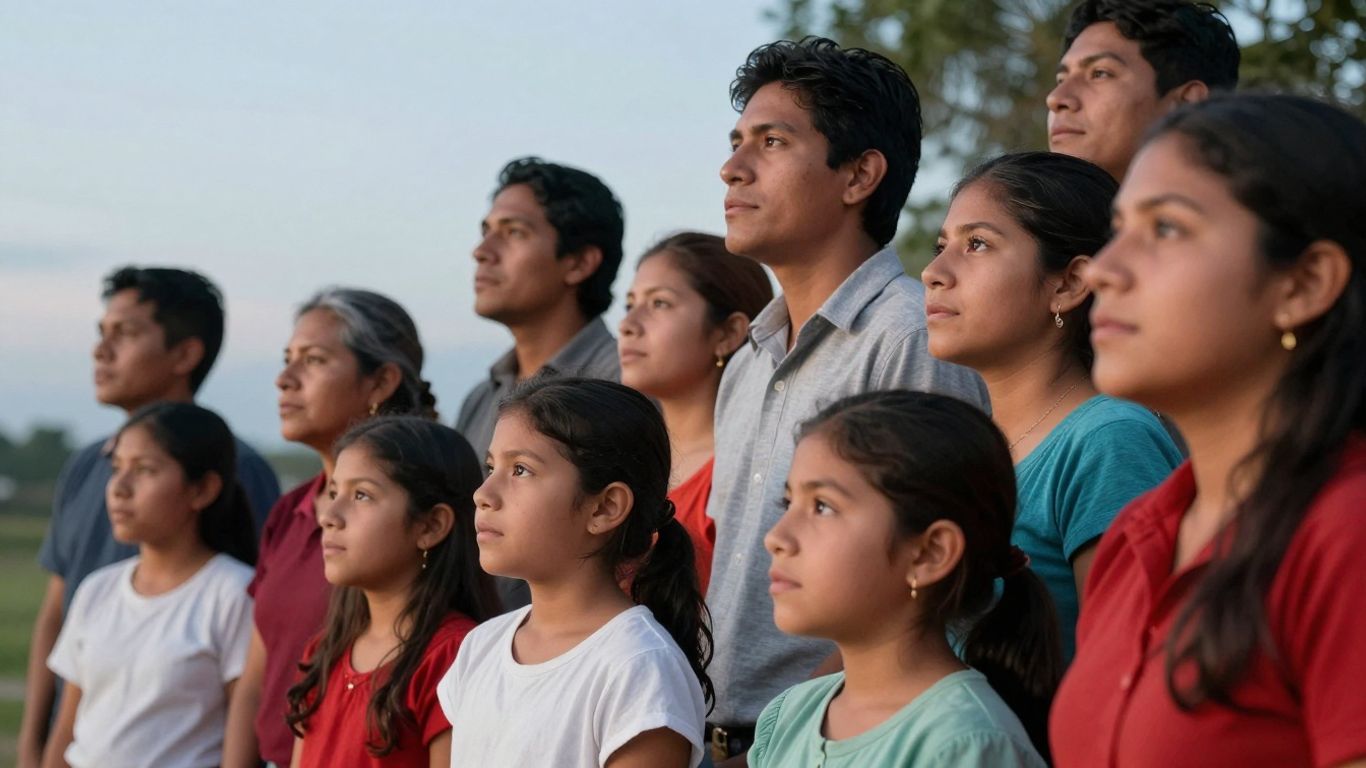
When people are forced to flee their homes, families often get separated. Mexico’s laws do recognize family unity as important for building strong communities. However, actually bringing your family together can be really tough because of the rules.
Economic Solvency Requirements for Refugees
One of the biggest hurdles is the requirement for refugees to prove they have enough money to support their family members. This is a big problem because many people arrive in Mexico with nothing. They might have spent all their savings just to get there, facing dangers like extortion and kidnapping along the way. The law says the government might let family members enter if the refugee can show they can support them, but this often ignores the reality of people starting over with no resources.
The idea that human rights, like the right to have your family with you, depend on how much money you have just doesn’t sit right. It feels like a barrier that shouldn’t be there, especially for people who have already lost so much.
Human Rights Implications of Family Reunification Policies
Critics argue that making refugees prove they are financially stable to reunite with their families goes against basic principles of equality and human dignity. It’s seen as a disproportionate burden that unfairly limits a fundamental human right. This policy can send a message that your right to family life is conditional on your financial situation, which many find unacceptable. It’s a complex issue that touches on how Mexico views the rights of displaced people.
Mexico’s History of Welcoming Refugees
Mexico has a history of being a welcoming place for refugees, like during the Spanish diaspora. Some feel that current policies, like the economic solvency requirement, contradict this tradition. There’s a hope that Mexico can show its commitment to human rights by making family reunification more accessible for those seeking safety. For those trying to bring loved ones over, exploring options like the Family Reunification Parole program might be a path, though it has its own requirements.
- Family Unity Principle: Recognized in Mexican Migration Law as vital for social cohesion.
- Economic Solvency Hurdle: A significant challenge for refugees arriving with limited or no funds.
- Legal Challenges: Requirements are sometimes seen as arbitrary, subjective, and disproportionate, potentially violating human rights.
- International Standards: The right to family reunification is protected by international treaties Mexico has signed.
Humanitarian Concerns and Legal Recourse
When people are seeking safety, things can get complicated fast. Mexico has laws in place to help, but sometimes the reality on the ground doesn’t quite match up. It’s a tough situation, and understanding your options is key.
Vulnerable Populations and Temporary Entry
Mexico has specific rules for people who are particularly vulnerable, like victims of trafficking or those who have experienced serious crimes. The law says these individuals shouldn’t be held in detention centers and should get special care. Sometimes, people might be allowed temporary entry into the country based on their situation. This is meant to offer a bit of breathing room while their case is sorted out.
- Victims of trafficking: Prohibited from detention, should be housed in shelters.
- Victims of crime: May have their migratory status regularized.
- Medical conditions: Can affect detention length, potentially leading to alternatives.
The Impact of COVID-19 on Detention Centers
Like everywhere else, the pandemic really shook things up. Detention centers had to change how they operated, and it wasn’t always easy. Access for outside groups, including legal aid and human rights observers, became more difficult. This made it harder to keep track of what was happening inside and to ensure everyone’s rights were being respected. The pandemic highlighted how important it is to have transparent and accessible facilities.
Civil Society Demands for Release and Services
Lots of groups in Mexico are working hard to help asylum seekers. They’ve been pushing for better conditions and, importantly, for people to be released from detention centers when possible. They argue that detention isn’t always necessary and that non-custodial measures, like reporting regularly to authorities, could work just as well for many people. These organizations also demand better access to services like healthcare and legal help for everyone in the asylum process. They believe that treating people with dignity is not just the right thing to do, but it’s also a legal obligation [a13c].
The system can feel overwhelming, and it’s easy to get lost in the paperwork and procedures. But remember, there are people and organizations trying to make a difference and advocate for fair treatment.
Wrapping Up: Your Path Forward
So, we’ve gone over a lot of ground here about seeking asylum in the US as a Mexican citizen. It’s definitely not a simple process, and there are a lot of details to keep in mind. Remember, laws and policies can change, and what applies today might be different tomorrow. It’s super important to stay informed and to get help from people who know what they’re doing. Don’t try to figure it all out alone. There are organizations and legal experts out there ready to guide you. Taking that first step to seek safety is brave, and getting the right support can make all the difference in your journey.
Frequently Asked Questions
What is asylum and why would someone seek it in Mexico?
Asylum is a way for people to find safety in another country if they are in danger in their home country. This danger could be because of their race, religion, nationality, or because they belong to a certain social group or have certain political opinions. People might seek asylum in Mexico if they fear returning to their home country and believe they will be harmed there. Mexico has laws in place to protect people seeking safety.
How do I apply for asylum in Mexico?
You can apply for asylum by contacting the Mexican Commission for Refugee Assistance (COMAR) or sometimes directly with immigration authorities. It’s important to know that applying directly with immigration authorities might mean you could be held in a detention center while your case is being processed. The process can take time, and it’s helpful to get information about your rights.
What rights do asylum seekers have in Mexico?
In Mexico, people seeking asylum have important rights. These include not being discriminated against, having their family kept together, and importantly, the principle of ‘non-refoulement.’ This means Mexico promises not to send you back to a country where you would be in danger. You also have the right to be informed about your case and your options.
Can children apply for asylum, and what special rules apply to them?
Yes, children can seek asylum. Mexico’s laws say that the best interests of the child should always be considered. This is very important, especially for children who are traveling alone. While children have rights, there have been concerns about them being detained, and the goal is to protect them and ensure their safety throughout the process.
What are the challenges faced by people seeking asylum in Mexico?
Seeking asylum can be tough. Some people face long waits for their cases to be decided, and sometimes there isn’t enough clear information about the process. There can also be concerns about the conditions in detention centers, and getting help from lawyers can be difficult for some. Families might also face challenges if they want to reunite, as there can be rules about proving they have enough money.
Can my family join me if I am granted asylum in Mexico?
Mexico has policies about family reunification, which means your family members might be able to join you. However, these policies can sometimes include requirements, like proving you have enough money to support them. Some groups believe these financial requirements can make it hard for families to reunite and that this right should be protected without such conditions.